
Last updated November 2, 2026
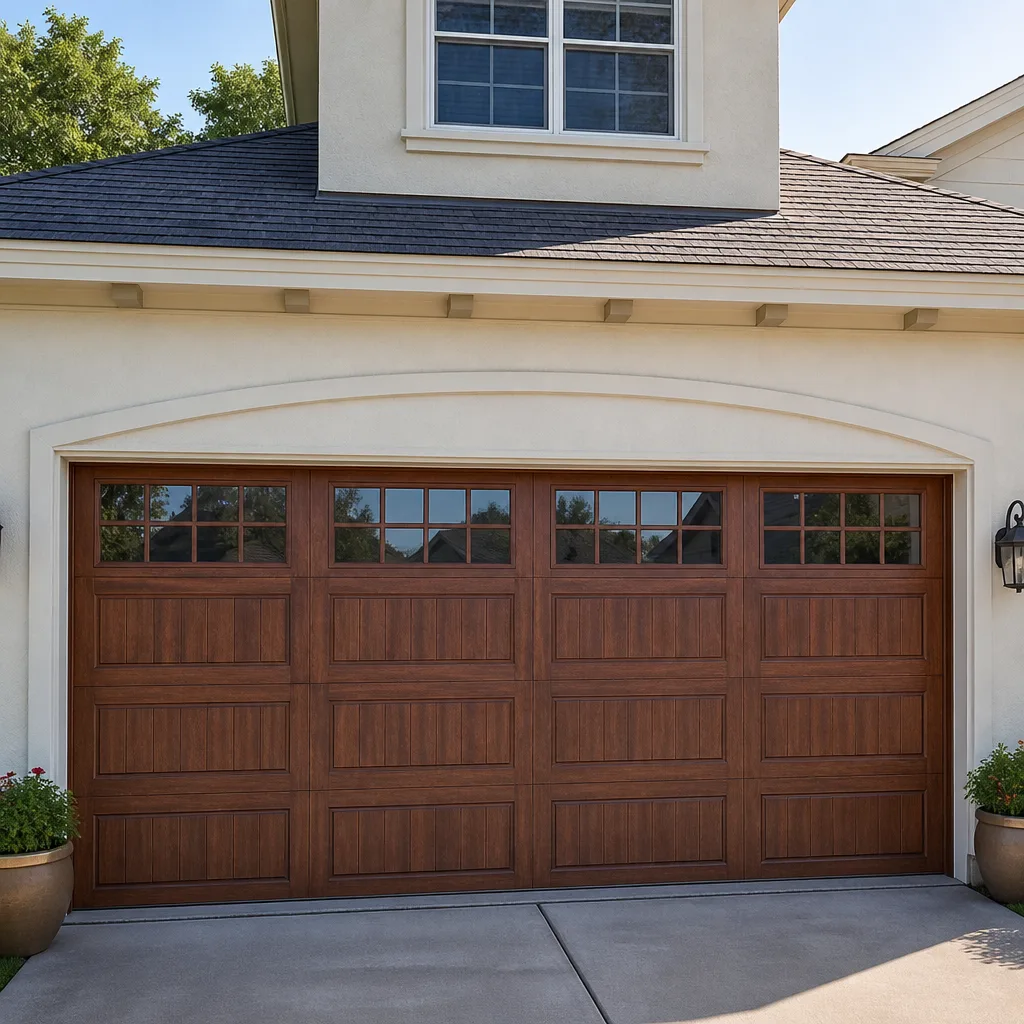
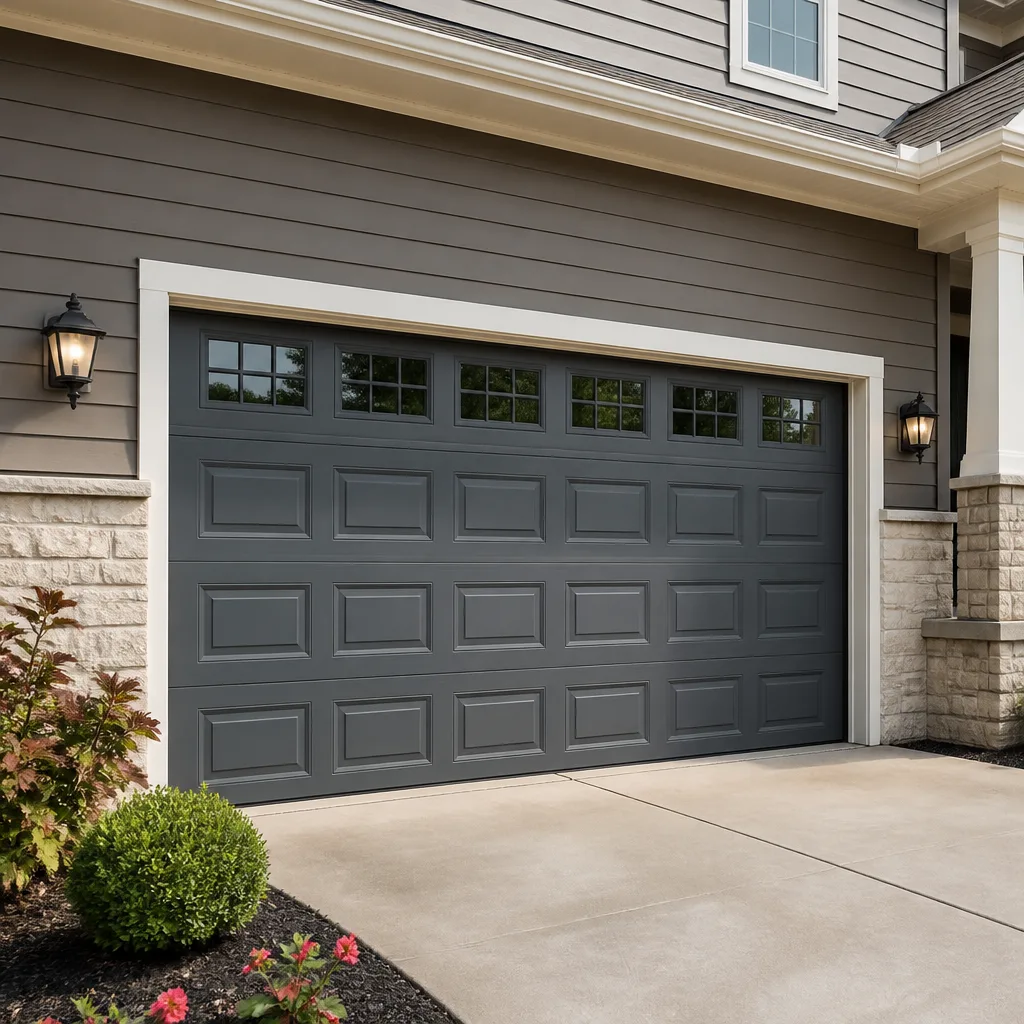 Raised-panel steel
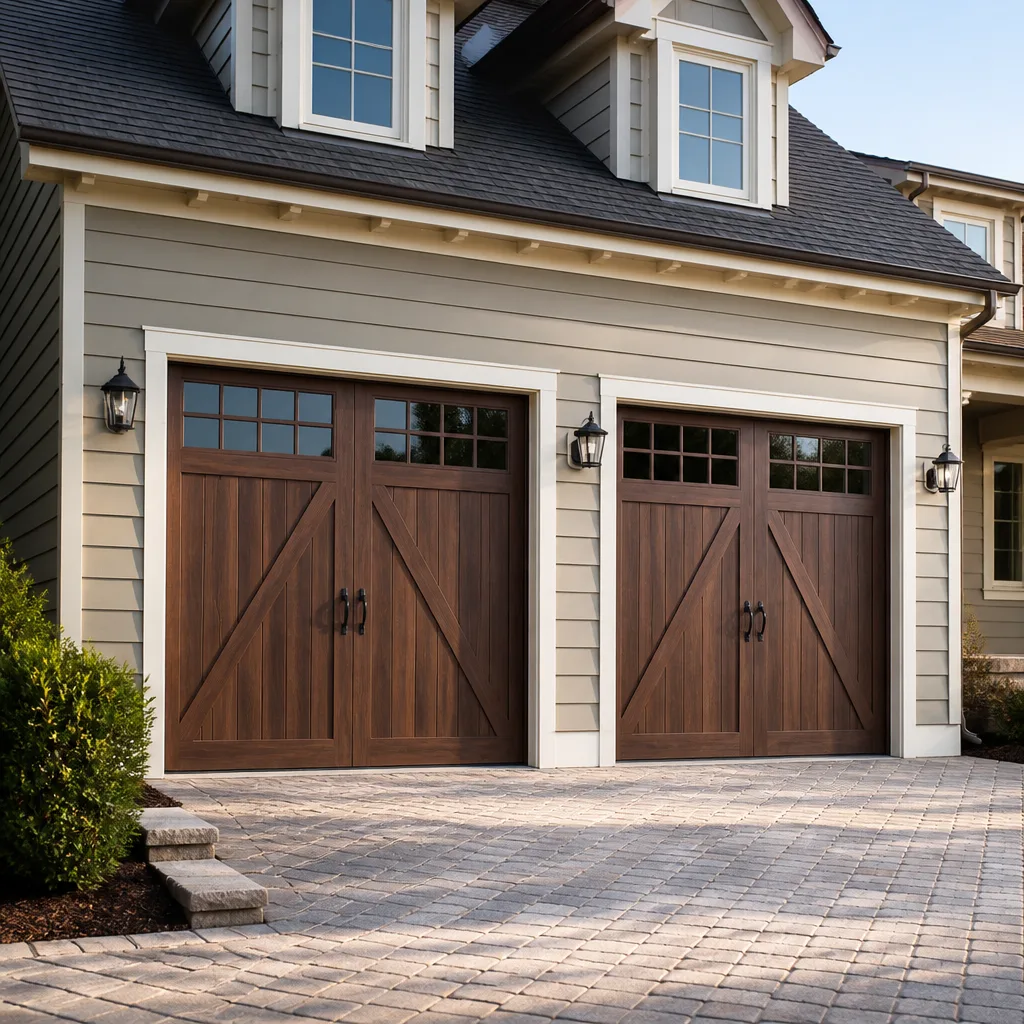 Carriage house
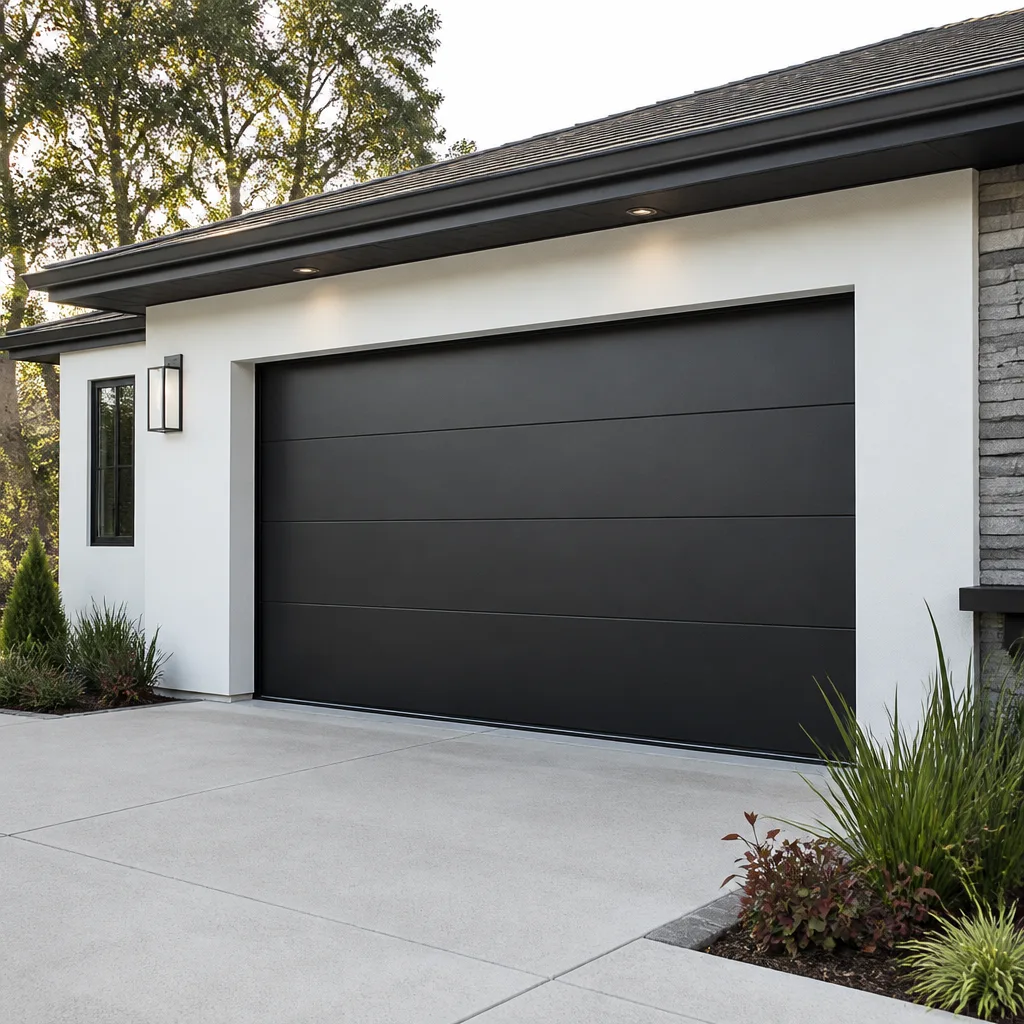 Modern flush
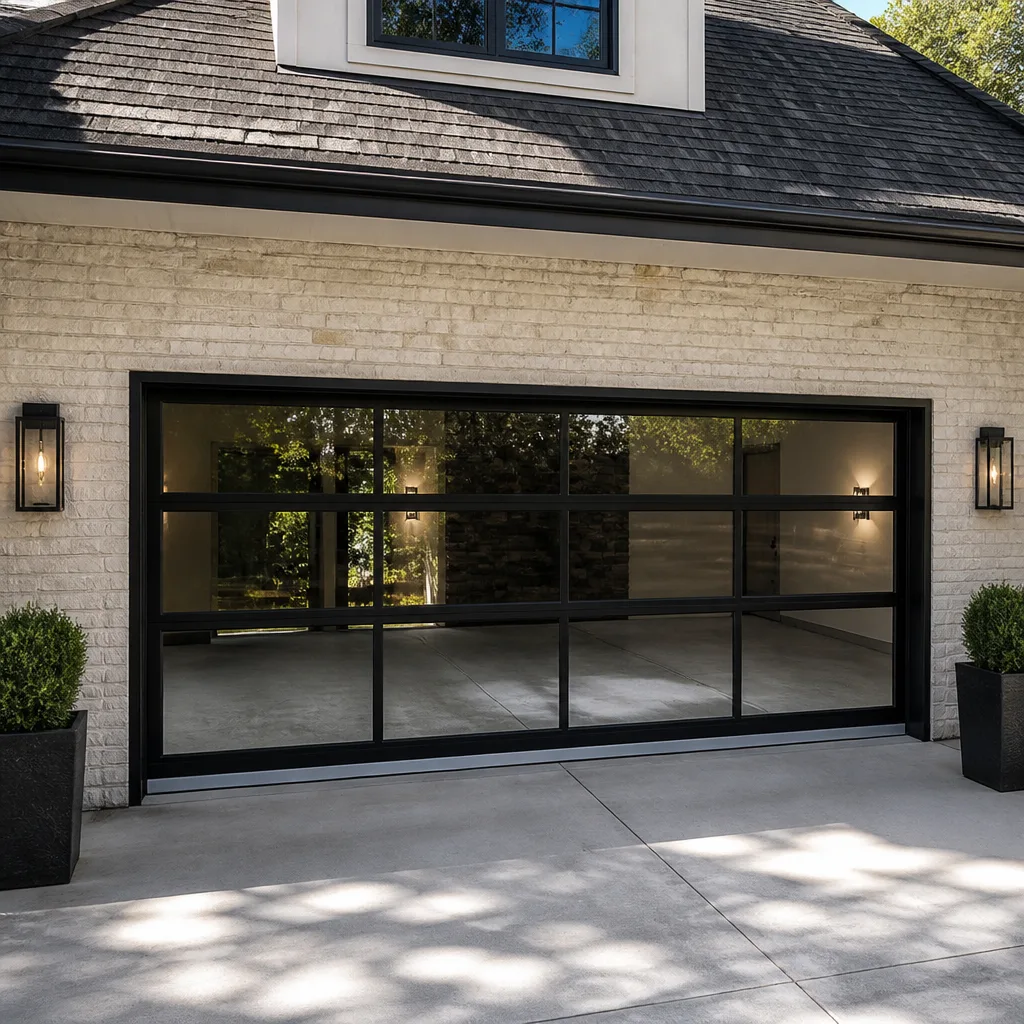 Full-view glass
 LiftMaster openers
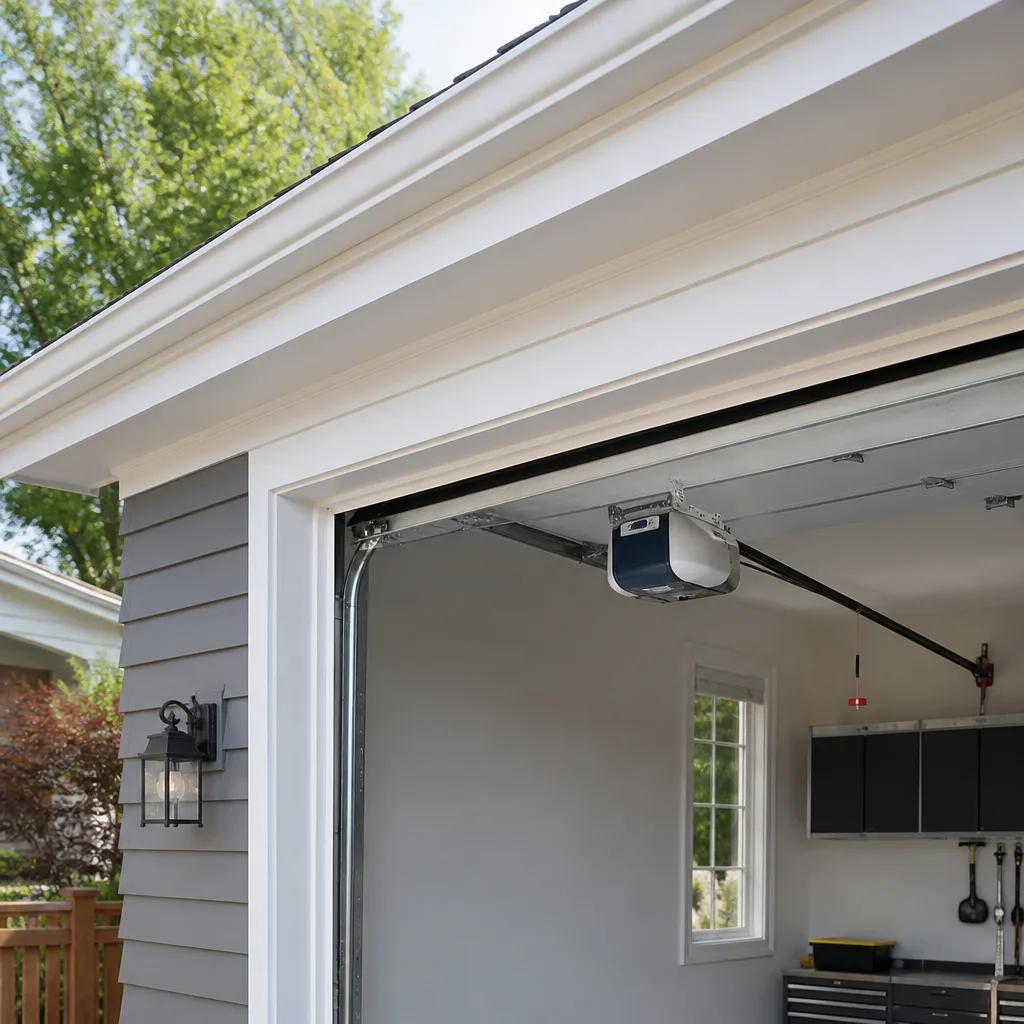 Chamberlain openers
Full 25-point door and opener safety check with every visit - springs, cables, rollers, tracks, and your LiftMaster or Chamberlain opener included
You get a price before we start. It does not change when the truck arrives.
Get your free estimateGarage Door Emergency Preparedness Guide for Menifee Homes
Most Menifee homeowners only think about their garage door when it stops working. By then, the situation has usually gone from inconvenient to urgent, and the choices made in the first five minutes often determine whether the repair is a $90 relay or a $1,400 panel-and-track replacement. Here’s the pattern we see across Menifee neighborhoods from Sun City to Audie Murphy Ranch: the same two emergency triggers recur every year, and almost nobody prepares for them until they happen. This guide covers the preparation steps and emergency procedures that actually matter for garage doors in Menifee, so when the power drops during a July heat event or a Santa Ana gust slams your door sideways, you’ll know exactly what to do, what not to do, and when to call for backup.
Styles & brands we work with
- Raised-panel steel
- Carriage house
- Modern flush
- Full-view glass
- LiftMaster openers
- Chamberlain openers
Quick Answer
Garage door emergency preparedness in Menifee means preparing for two predictable local events: power outages during summer heat waves and structural door failures during Santa Ana wind events. The most important preparation step is testing whether your door balances and holds itself open manually before an emergency forces the test, and the most important emergency skill is knowing how to disengage your opener safely when a spring may be compromised. Have a garage door technician’s number saved, know where your manual release cord is, and check your door’s balance once a year.
Table of Contents
- The Two Emergencies Menifee Homes Actually Face
- How to Test Your Door’s Manual Balance Before You Need It
- Manual Release Procedure When a Spring May Be Compromised
- High Wind and Off-Track Doors: What to Do in Santa Ana Season
- Preparing for Menifee’s Power Outage Season
- Emergency Service Call Triage: What to Have Ready
- Common Mistakes to Avoid
- When to Call a Professional
- Frequently Asked Questions
- The Bottom Line
The Two Emergencies Menifee Homes Actually Face
Garage door emergencies in Menifee don’t happen randomly. They cluster around two specific conditions, and knowing what those conditions are changes how you prepare. The first is grid strain. Menifee sits in a region where summer temperatures routinely cross 100 degrees, and when the grid gets stressed, rolling outages or equipment failures knock out power to whole neighborhoods at a time. The second is wind. Santa Ana events push dry, gusting air through the Menifee Valley and adjacent canyons, and those gusts carry enough force to flex a garage door panel, pop a roller out of its track, or slam a door against its stops hard enough to shear a hinge.
Both scenarios share a common failure point: your garage door’s spring system. A torsion spring pair rated for 10,000 cycles looks fine right up until it’s not, and the moment of failure is rarely convenient. What we’ve learned from years of service calls in Menifee is that the homeowner who has thought through these two scenarios before they happen spends less money, waits less time for parts, and avoids the secondary damage that turns a $200 repair into a $1,200 panel replacement.
Here’s what that preparation looks like, broken into the specific steps that apply to each scenario.
- Heat-driven power outage: The garage door is the largest opening in your home. When the power drops, you still need to get your car out for work, errands, or a medical trip. Your opener won’t run, so everything depends on the manual release cord and your door’s physical balance.
- Santa Ana wind damage: A door that’s been pressured sideways or slammed repeatedly may have popped a roller, bent a track section, or cracked a panel. The structural damage doesn’t always announce itself loudly. Sometimes it’s a scraping sound that gets worse with each cycle.
- Combination events: Power outage plus wind is rare but not unheard of in Menifee, and it’s the worst-case setup because you lose both automated operation and structural integrity at the same time.
Preparing for these scenarios costs very little. The two main readiness tasks are testing your door’s manual balance once a year and knowing exactly how to disengage your opener under less-than-ideal conditions. Both are covered below, step by step.
How to Test Your Door’s Manual Balance Before You Need It
If your garage door won’t hold itself open when disconnected from the opener, you have a spring problem, and you’ll discover it at the worst possible moment unless you test it now. In Menifee, where summer outages are a question of when rather than if, this test is the single highest-value preventive step you can take. It takes under five minutes and requires no tools.
- Close the door fully. Start with the door in the closed position. This puts the springs under the least tension and gives you a safe starting point.
- Pull the manual release cord. The red cord hangs from the opener carriage. Pull it straight down and toward the door. You’ll hear a click as the carriage disengages. The door is now free of the motor and operating entirely on spring force and physical balance.
- Lift the door by hand. Grip the door at the bottom center, using the handle if your door has one. Lift with your legs, not your back. A properly balanced door should feel heavy but manageable, about 20 to 30 pounds of lifting effort.
- Raise it to waist height and let go. Here’s the critical test. At approximately waist height, release the door. A door with healthy springs will stay put or move only an inch or two in either direction. If it drops or slams upward, the springs are not doing their job.
- Raise it fully and let go again. Lift the door to the fully open position and release it at the top. A balanced door stays open. If the door starts to creep down, the springs are losing tension and should be evaluated.
- Lower the door gently. If the door passed both hold tests, lower it back to the closed position. Reconnect the carriage by pulling the release cord toward the opener and running the opener once or pulling the door until the carriage reengages.
If the door fails either hold test, the springs are under-tensioned, worn, or nearing failure. Don’t adjust or replace springs yourself. Torsion springs hold enormous stored energy, and an uncontrolled release can cause serious injury. A qualified garage door technician can assess spring condition and replace them safely. Most Menifee homes built in the last 15 years use torsion spring systems, and a spring that fails one of these tests is a spring on borrowed time.
Run this test in June, before Menifee’s hot stretch. If you discover an issue in June, you’ve got time to schedule a repair on your terms. If you discover it in August when the power is already out and you’re trying to hand-lift a door that wants to drop, the problem is far more expensive to solve.
Manual Release Procedure When a Spring May Be Compromised
The standard advice about garage door emergencies says to pull the red release cord and lift the door manually. That advice assumes a healthy spring system. In Menifee, where heat cycles and dry air accelerate spring fatigue, the more realistic scenario is a homeowner standing in a dark garage during a power outage, pulling the cord, and then watching a door drop because the spring gave out months ago without anyone noticing. Here’s how to do the manual release safely when you suspect your springs may not be fully intact.
Body Positioning That Keeps You Safe
If a spring or cable snaps while you’re working the door manually, the components release stored tension violently. The two danger zones are directly under the door and in the plane where cables run. When you pull the release cord, stand to the side of the door, not directly beneath it. When you lift, keep your body offset to one side, never centered under the door’s travel path. Keep your face and hands out of the cable line. Cables run vertically along both sides of the door track. If a cable lets go, it whips upward. The instinct to lean over and look at the track while lifting is exactly what you should avoid.
Step-by-Step Manual Release for a Questionable Spring
- Locate the release cord. It’s the red handle hanging from the opener rail. In a power outage, use a flashlight. Do not fumble for it in complete darkness.
- Position yourself beside the door. Stand to one side of the handle, not directly under the opener rail.
- Pull the cord down and toward the garage door opening. You’ll feel and hear the carriage disengage. Keep your hand on the cord until the disengagement is complete.
- Test the door weight before lifting fully. Grip the bottom center handle and lift just two or three inches. If the door feels abnormally heavy or starts to drop back immediately, stop. A door that fights you is a door with a failed or failing spring. Do not force it open. Forcing it can cause the door to come off its tracks or can cause an uncontrolled drop.
- If the door lifts smoothly, continue raising it slowly. Keep your body to the side and watch the top panel as it goes up. If you hear grinding, scraping, or popping, lower the door back down gently and stop.
- At the top, verify the door stays open. Do not step under the door to check. Observe it from the side for 10 full seconds. If it holds, you’re clear to move your vehicle. If it sags, lower it and call a professional.
A door with a snapped spring is genuinely dangerous to operate manually. The door becomes a dead weight that can come down without warning. In our experience in Menifee, when a homeowner pulls the release cord and the door slams shut, the spring usually broke weeks or months earlier and the opener motor was masking the problem by doing all the lifting work. The power outage just exposes it.
After power returns, reconnect the opener carriage by pulling the release cord toward the opener and cycling the door once. The carriage should click back into engagement. If the door was stiff or sagging during manual operation, have the spring system inspected before relying on the opener again.
High Wind and Off-Track Doors: What to Do in Santa Ana Season
Santa Ana winds hit Menifee most often between September and February, and a garage door presents a large, flat surface that catches wind like a sail. Door panels are engineered to flex, but repeated pressure from gusting wind can pop a roller out of its track, bend the track itself, or crack a panel at a hinge point. When a door comes off its tracks, the wrong instinct moves cause more damage than the wind did in the first place.
Signs Your Door Has Wind Damage
- Scraping or grinding during operation – a roller that’s partially out of its track drags against metal.
- The door looks crooked – one side sits lower than the other when partially open.
- Visible gap between a panel roller and the track – you can see daylight where the roller should sit in the channel.
- Bent track section – the vertical or horizontal track shows a visible kink or bow.
- The door hesitates or reverses – the opener’s safety reversal may be triggering because the door is binding against a damaged track.
What to Do When the Door Comes Off Track
The sequence below prevents further structural damage. The instinct moves that make things worse are prying the door back onto the track with a tool, running the opener to force the door back into position, or having two people lift the door while someone else kicks the track straight. None of those work, and all of them bend metal and tear panel hinges.
- Stop operating the door immediately. Do not press the opener button again. Every cycle of an off-track door grinds the rollers against the track and can walk the door further out of alignment.
- Disconnect the opener. Pull the manual release cord so the motor is no longer attached to the door. This prevents an accidental automatic opener run from making things worse.
- If the door is partially open, decide whether to close it manually. A door that’s off-track on one side may lower unevenly and cause additional damage. If the door appears to be hanging or binding, leave it in place. If it moves smoothly by hand, lower it gently to secure the garage.
- Do not attempt to pry, hammer, or wrench the track straight. A bent track must be replaced, not reshaped, in most cases. The metal in garage door tracks is not designed to be straightened by hand, and an improvised repair leaves the door dangerous.
- Secure the garage as well as possible. If the door won’t close, place a vehicle or another obstruction inside the opening to prevent access until a technician arrives. In extreme wind, a partially open door can be ripped further by the next gust.
- Call a garage door technician. An off-track door is not a DIY repair for the same reason springs aren’t: the door is heavy, under spring tension, and dangerous when out of tolerance. A technician will assess the track, rollers, hinges, and panel, and give you an honest recommendation on repair versus replacement.
Menifee homes with older wood doors are more vulnerable to Santa Ana damage than those with steel or composite panels. Wood absorbs and releases moisture through the dry-wet cycles of Menifee’s climate, and old wood can be structurally weaker where hinges attach. If your wood door is more than about 20 years old, a post-wind-season inspection is worth scheduling. For a broader evaluation of your door’s condition, our Garage Door Repair in Menifee service covers tracks, rollers, hinges, and panel damage.
Preparing for Menifee’s Power Outage Season
Menifee’s power outages don’t arrive on a schedule, but they do arrive with seasonal regularity. Summer heat waves strain the regional grid, and monsoon-season lightning can knock out substation equipment. When the power drops, the garage door opener stops working, and the homeowner’s relationship with their door changes from automated convenience to manual operation. Preparation for that shift is specific and inexpensive.
Battery Backup Openers
A battery backup opener is a direct answer to Menifee’s summer outage problem. These units contain an internal battery that keeps the opener operational for a limited number of cycles after household power is lost. Most newer Chamberlain, Genie, and Craftsman units offer battery backup capability, either built in or as an add-on. If your opener predates battery backup technology or the battery has never been replaced, the backup won’t help when you need it. A battery that’s more than three years old should be replaced preemptively. Wondering whether your current opener is compatible? Our Garage Door Opener Repair in Menifee technicians can evaluate your opener and install the right backup solution for your unit.
The One Mechanical Check to Do Each June
Mark your calendar for the first week of June. Do the balance test described above. Check the condition of your safety sensor wiring and the opener’s auto-reverse function. Listen for unusual sounds during a full cycle. This 15-minute annual check catches the problems that will strand you during a July or August outage.
Surge Protection for the Opener
Monsoon season in Menifee brings lightning, and lightning doesn’t have to hit your house directly to damage a garage door opener. A nearby strike can send a surge through your electrical system, and the opener’s circuit board is a common casualty. A simple plug-in surge protector rated for appliance use, installed between the outlet and the opener’s power cord, is a cheap insurance policy. Most hardware stores sell them for under $25. If your opener gets fried by a surge, you’ll be replacing either the circuit board or the entire unit, and neither is a repair you want to discover you need at 9 p.m. during an outage.
What to Keep in the Garage
- A reliable flashlight with fresh batteries, stored in a known location. Not the flashlight in the kitchen drawer that might or might not have working batteries.
- A pair of work gloves. Manual door operation during an outage involves pulling a cord that’s been sitting in a hot garage. Gloves protect your hands and improve grip.
- The technician’s phone number, saved in your phone and written down. Phones die, and you don’t want to be searching for a number in a dark garage.
- Your door’s brand and opener model, written down. This information dramatically speeds up service calls. Knowing you have a 7-foot steel Wayne Dalton door and a Chamberlain opener lets a technician bring the right parts on the first trip.
Emergency Service Call Triage: What to Have Ready
When you call a garage door technician for an emergency in Menifee, the quality of information you provide directly affects how fast the problem gets solved. A dispatcher who hears “my garage door is broken” has to ask a series of questions before a truck can roll. A homeowner who says “the right spring snapped on a 7-foot steel Clopay door, the door is stuck closed, and the opener is a Genie chain-drive model” gives the technician everything needed to load the right parts before leaving the shop.
What to Have Before You Call
- Door brand and material. If you don’t know the brand, that’s okay. Steel, wood, or aluminum is the more important detail.
- Opener brand and type. Chain drive, belt drive, or screw drive. The brand matters because parts compatibility varies.
- The specific symptom. “The door won’t open” is a symptom. “The door opens two feet, makes a grinding sound, and reverses” is a better symptom. “One spring is broken and the door won’t budge” is the best symptom.
- Whether the door is open or closed right now. A door stuck open is a security problem. A door stuck closed is a logistics problem. The phone answer changes based on which one you’re dealing with.
- Your address, including any gate codes or access notes. Menifee has plenty of gated communities. If the technician can’t reach your door, the service call fails before it starts.
- Photos if you can. A picture of a broken spring, a bent track, or an off-track roller is worth several minutes of phone description.
Garage doors are all we do, which means our technicians carry components for the brands Menifee homeowners actually own. When you call with specific information, we can bring the right spring, the right roller, or the right opener part on the first trip instead of identifying the problem, leaving to fetch parts, and coming back hours later. That’s the difference between an emergency that gets resolved the same day and one that stretches into the next.
Common Mistakes to Avoid
- Pulling the release cord without testing the door’s weight first. During a power outage, the first pull of the release cord is when homeowners discover a broken spring, and the door can drop fast. Always lift two or three inches to test the weight before opening fully.
- Running the opener on an off-track door. Every cycle of an off-track door grinds rollers against the track and bends things further. The moment you hear scraping, stop cycling the opener.
- Attempting to replace or adjust a torsion spring. Torsion springs hold stored energy that can cause severe injury when released incorrectly. There is no safe DIY version of this repair. None.
- Prying a door back onto its track with a crowbar or screwdriver. This bends the track and rips rollers. You can’t reshape a garage door track with hand tools, and trying guarantees a more expensive repair.
- Ignoring the balance test because the door still opens. The opener motor can mask a failed or failing spring. In Menifee’s heat, springs wear out faster than in coastal climates, and the opener working proves nothing about the spring’s condition.
- Not testing the battery backup until the power is already out. A battery backup opener with a dead battery is just a regular opener. Test it once a year.
- Waiting until after dark to call for help. In daylight, inspection reveals more than flashlight inspection. If the door is stuck closed and you need the car tomorrow, call sooner rather than later.
When to Call a Professional
Some garage door problems are straightforward enough for a homeowner to manage temporarily. Others require a technician, and the line between the two is not always obvious in the moment. Call a professional when a spring is broken or visibly cracked, when the door has come off its tracks, when a cable has snapped or is fraying, when the door will not balance manually, or when the opener has taken a power surge and no longer responds. In Menifee, where triple-digit heat and Santa Ana winds stress door components beyond typical wear patterns, these problems escalate quickly. Garage Door Installation in Menifee is our other core service, which means when a repair isn’t the right call, we’ll tell you honestly and handle the replacement too. Garage Door Service Menifee offers free estimates in Menifee. Call (833) 593-4019 and a technician will give you a straight assessment.
Frequently Asked Questions
Emergency garage door repair in Menifee typically ranges from $150 to $450 for common problems like broken springs, snapped cables, or off-track doors, with opener issues usually falling between $120 and $350 depending on the part. An off-track door with panel damage can run higher because replacement panels are expensive. Call (833) 593-4019 for an exact quote on your specific situation, and we’ll confirm the price before we start work.
In most cases, yes, same-day service is available for common emergency repairs like broken springs and snapped cables, especially when you can describe the problem accurately when you call. Repairs requiring special-order parts, like custom panel replacements for a specific Clopay or Amarr door line, may take a day or two. Call (833) 593-4019 and we’ll tell you immediately whether same-day dispatch is possible for your repair.
The price is quoted and agreed before any work starts. No work begins without your approval on a specific number. If the technician finds additional issues during the diagnostic, you’ll be told about them, shown what’s wrong, and given a revised quote before anything gets done.
Technicians stock the most common parts for the brands Menifee homeowners own, including Genie opener components and spring sizes for standard 7-foot and 8-foot doors. If you can provide your door brand, opener model, and a description of the problem when you call, we can bring the right parts on the first trip in most cases.
A door that drops when disconnected from the opener means the spring system is worn out or broken, and the opener motor has been doing the heavy lifting. This requires spring replacement, not a stronger opener. Call (833) 593-4019 and a technician can assess whether you need a spring replacement or a full system evaluation.
We service doors and openers from the industry’s major manufacturers, including Genie, LiftMaster, Chamberlain, Clopay, Amarr, Wayne Dalton, Craftsman, and Raynor. Brand-agnostic means we’re not trying to sell you a specific product. We evaluate the door you have and tell you honestly whether repair or replacement makes sense.
The Bottom Line
Menifee garage door emergencies are predictable in their causes and manageable with preparation. Test your door’s manual balance every June before heat season. Learn the safe manual release procedure, including the body positioning that keeps you out of the spring and cable danger zones. Understand what an off-track door looks and sounds like, and stop operating the door the moment you suspect trouble. Prepare for power outages with a battery backup opener, a working surge protector, and a written list of your door and opener specs. When in doubt, call (833) 593-4019. Garage Door Service Menifee offers free estimates, works on the brand you already own, and will tell you honestly whether repair or replacement is the right call. Doors are all we do, which means the answer you get is specific to your situation, not a sales pitch.
Written by the team at Garage Door Service Menifee, serving Menifee since 2012.
See the difference
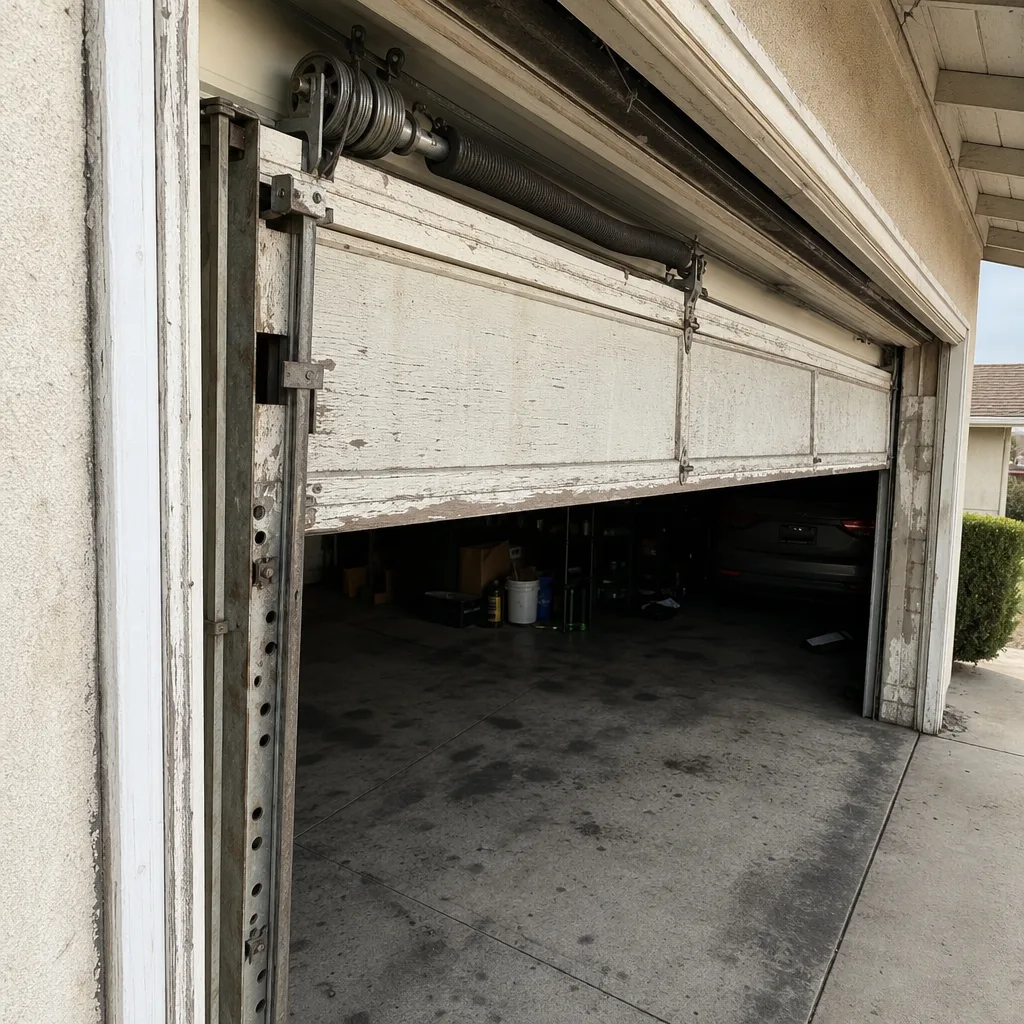 Before
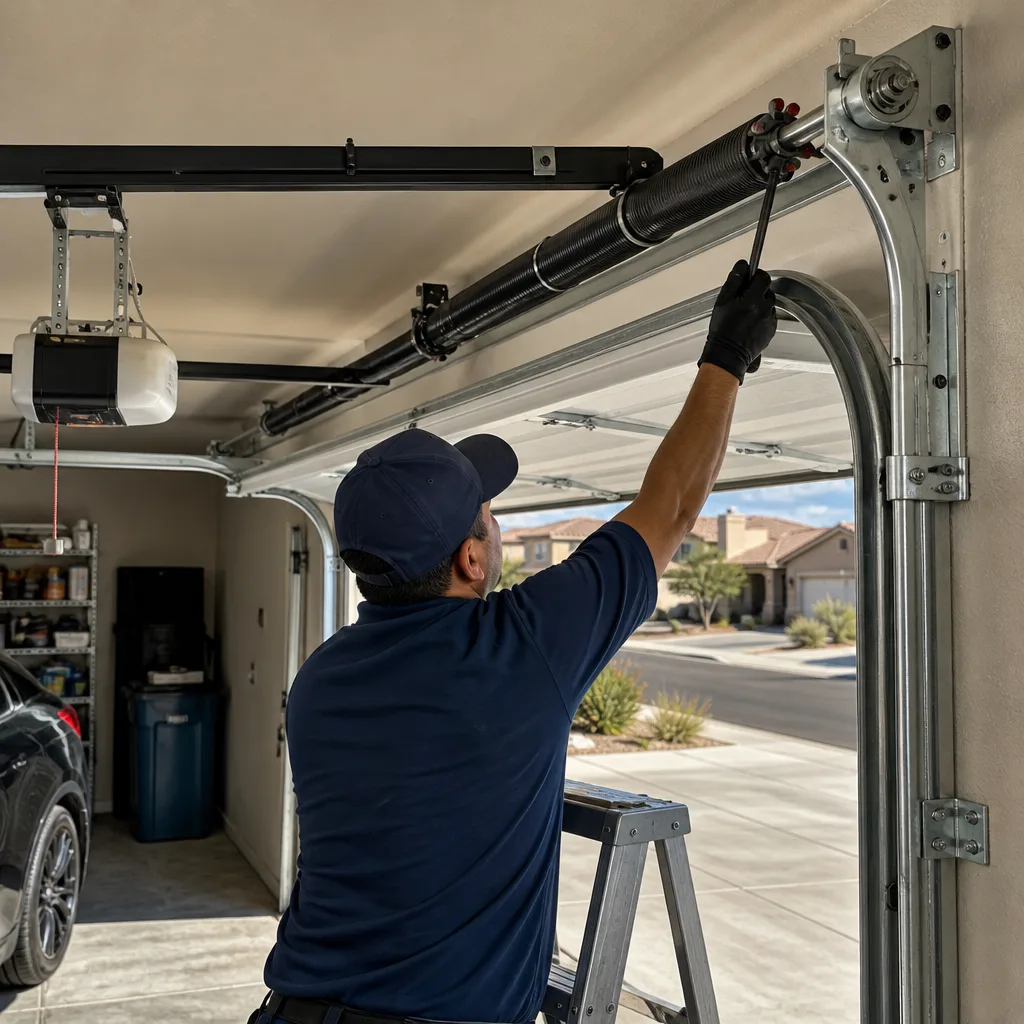 After
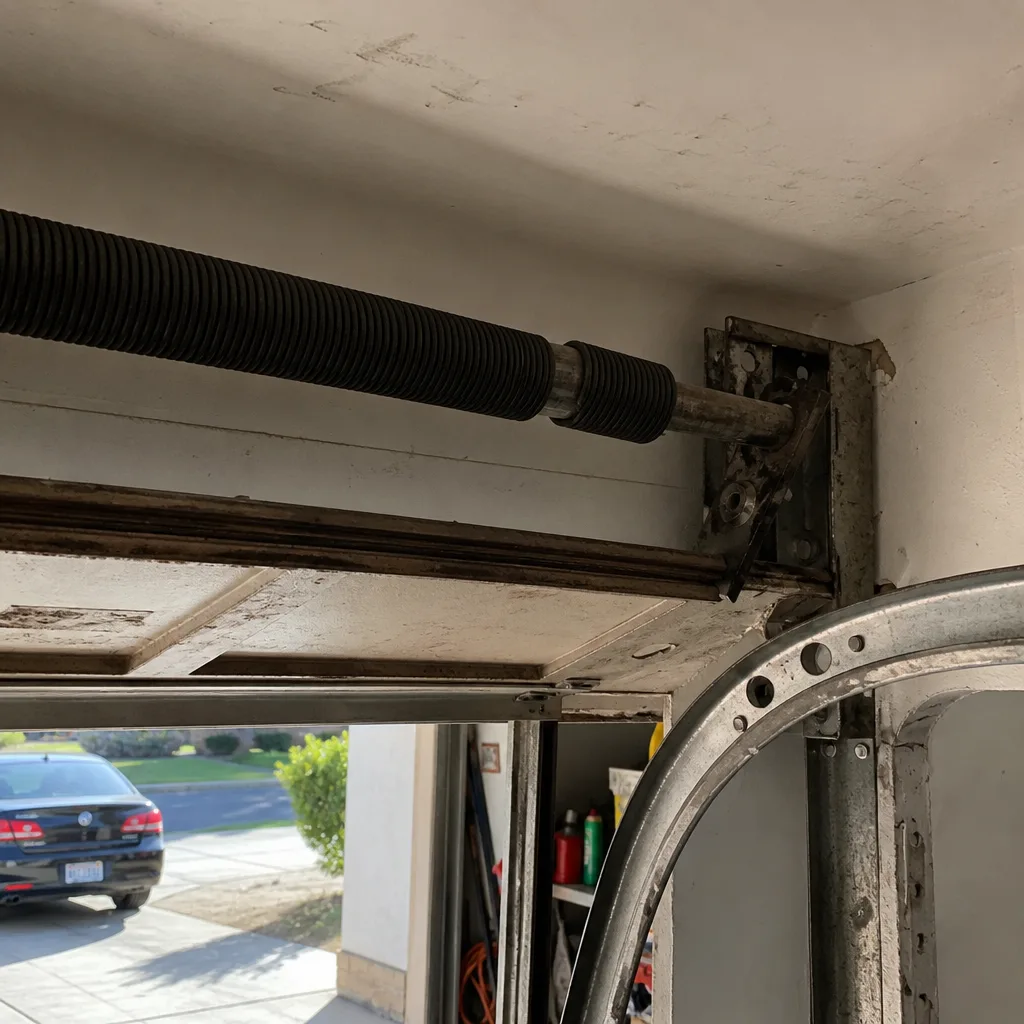 Before
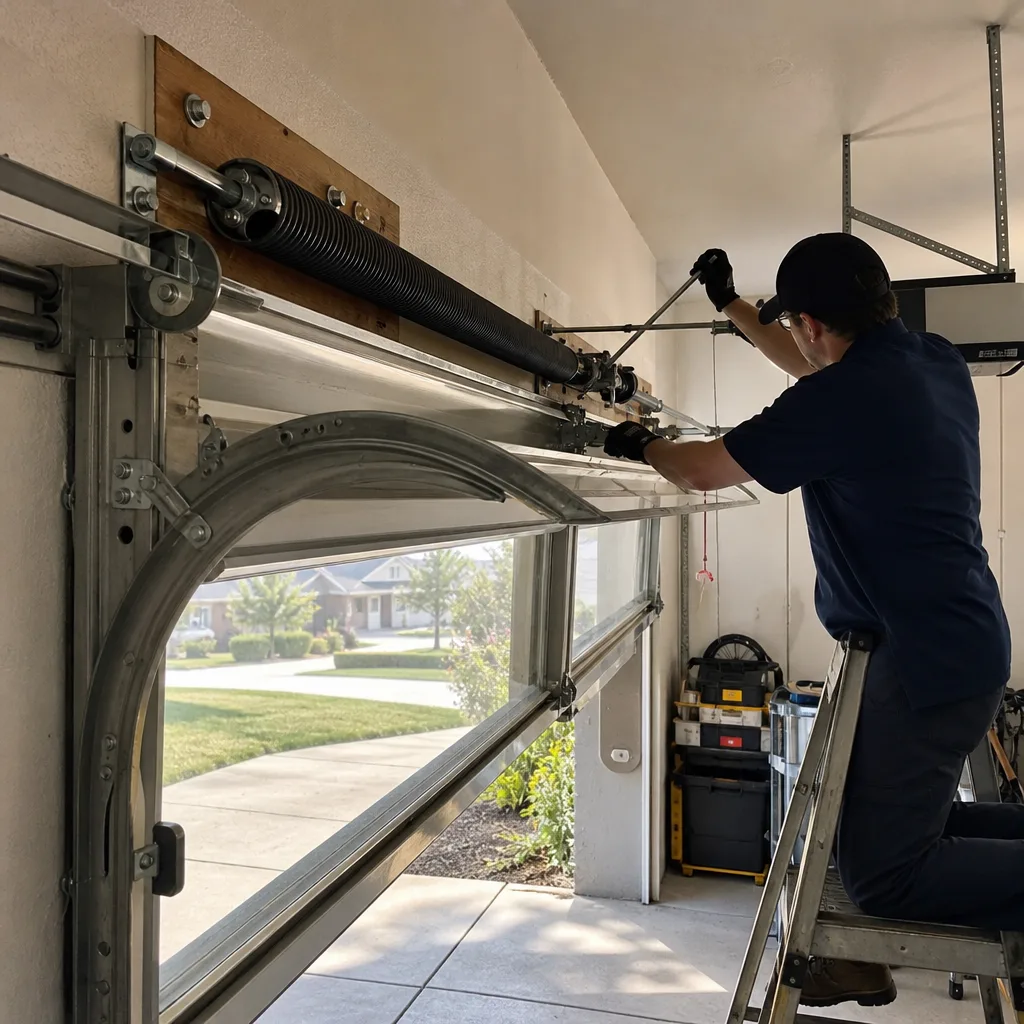 After
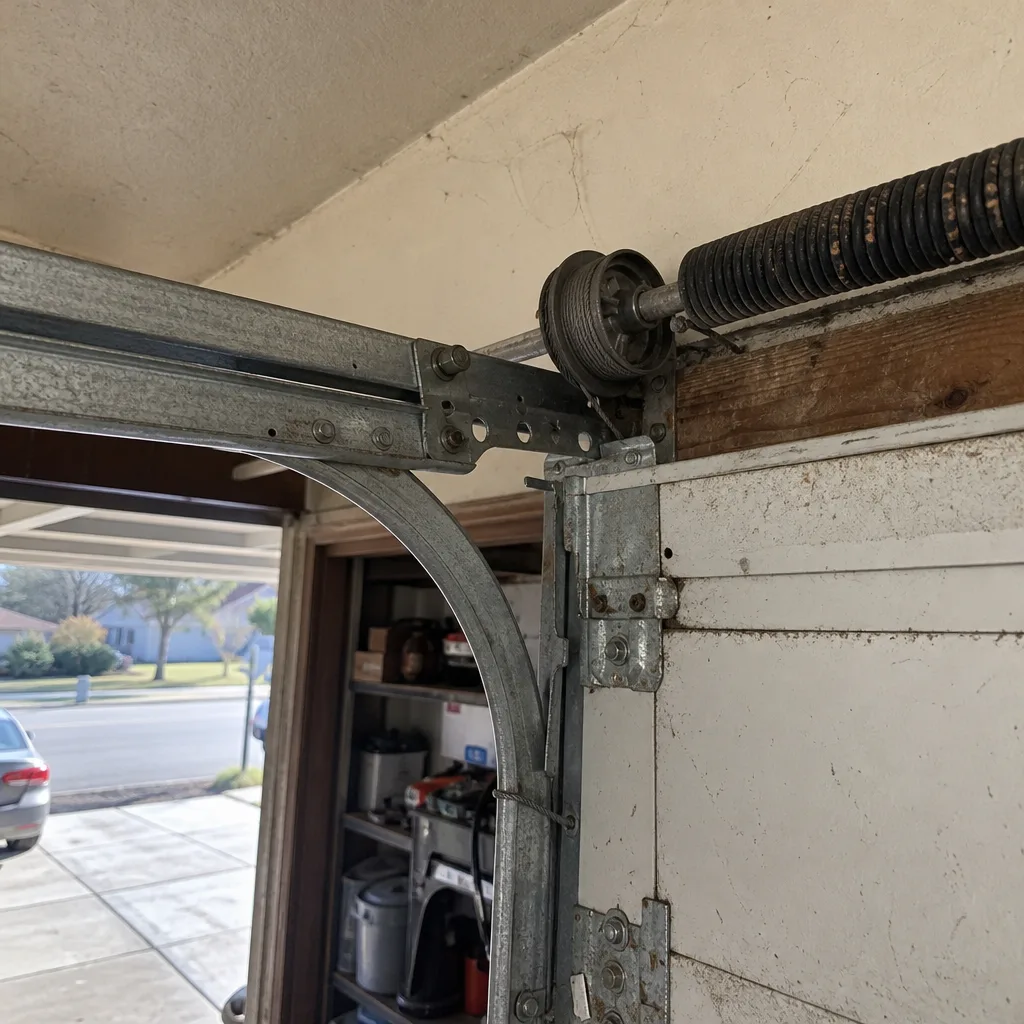 Before
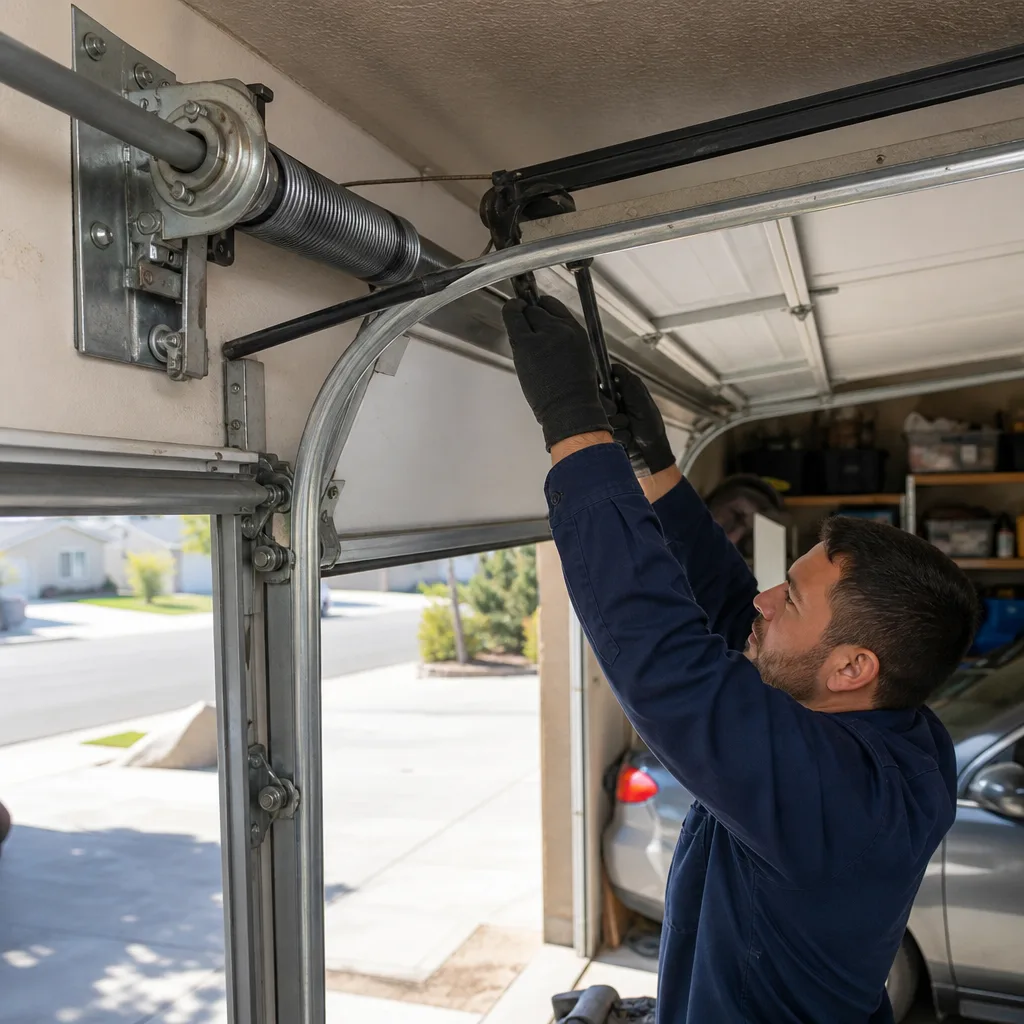 After