
Last updated November 2, 2026
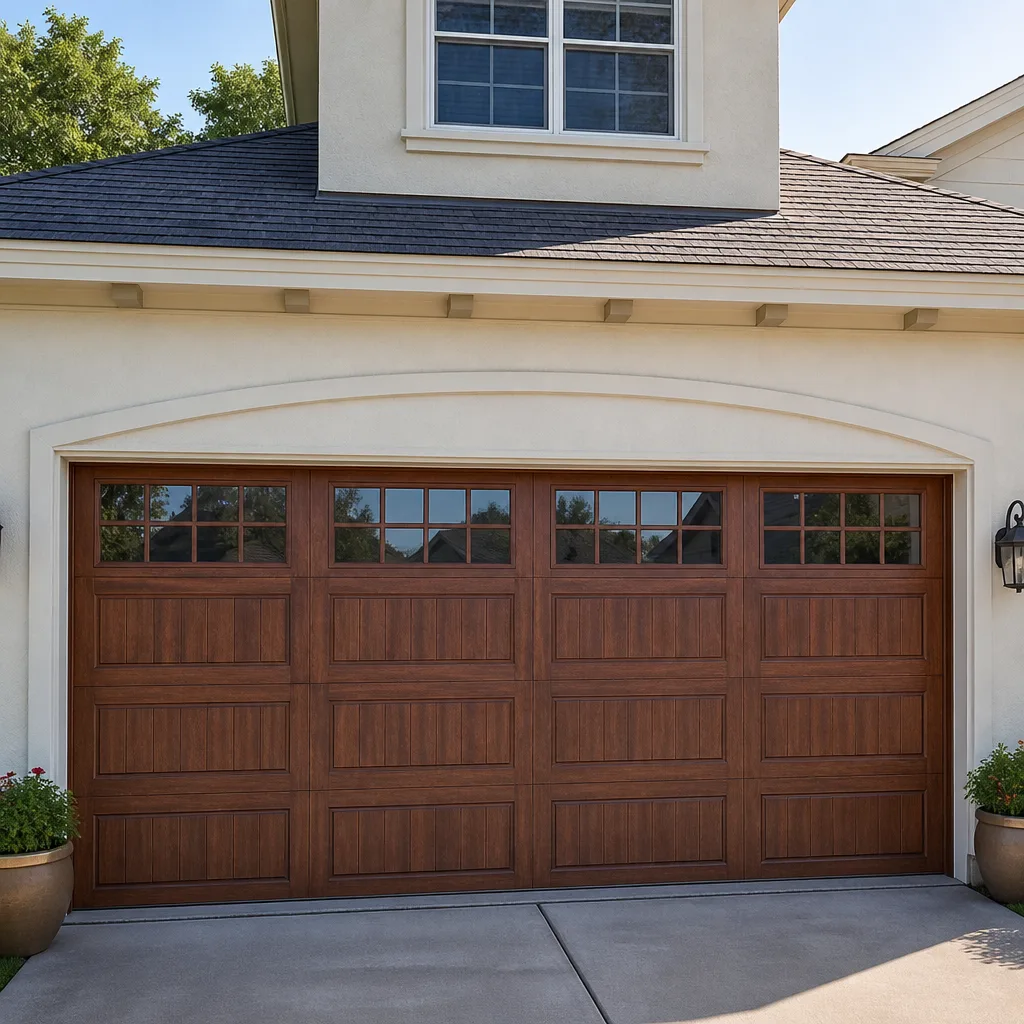
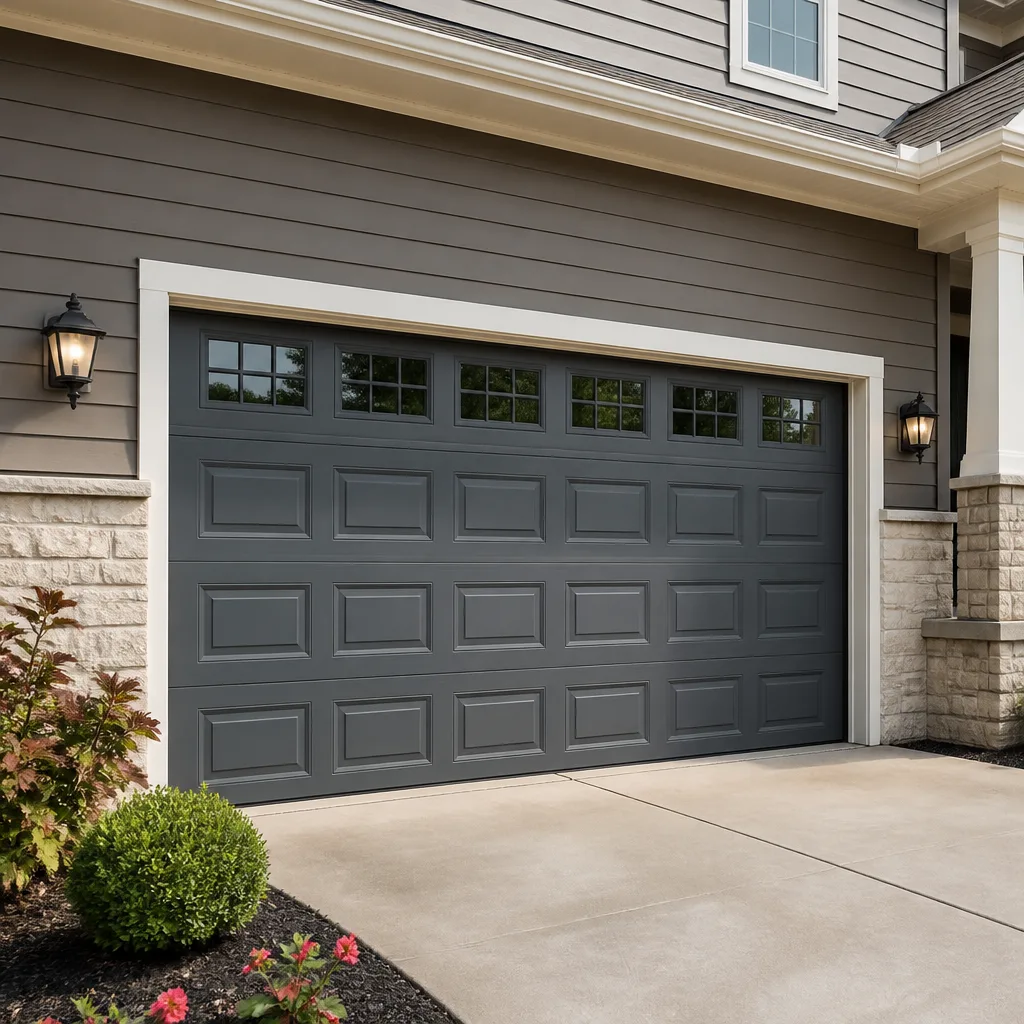 Raised-panel steel
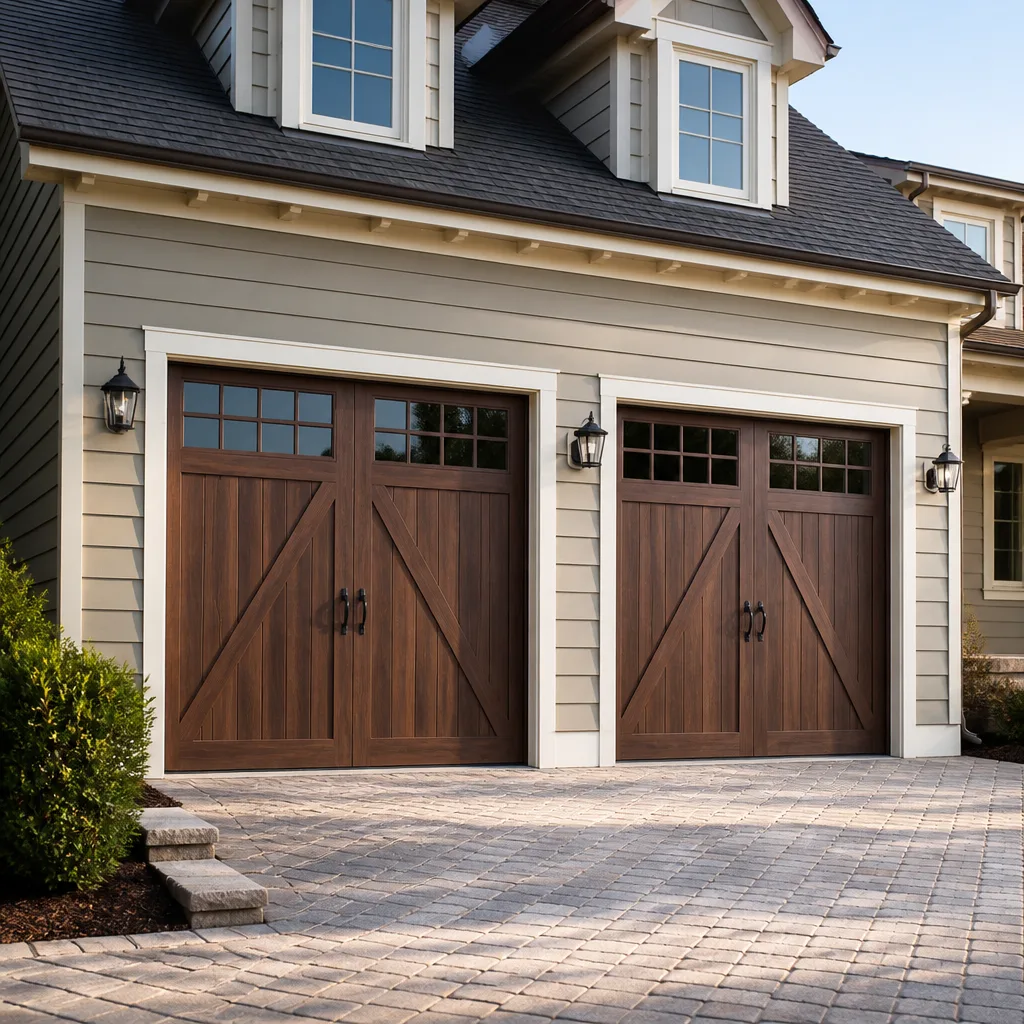 Carriage house
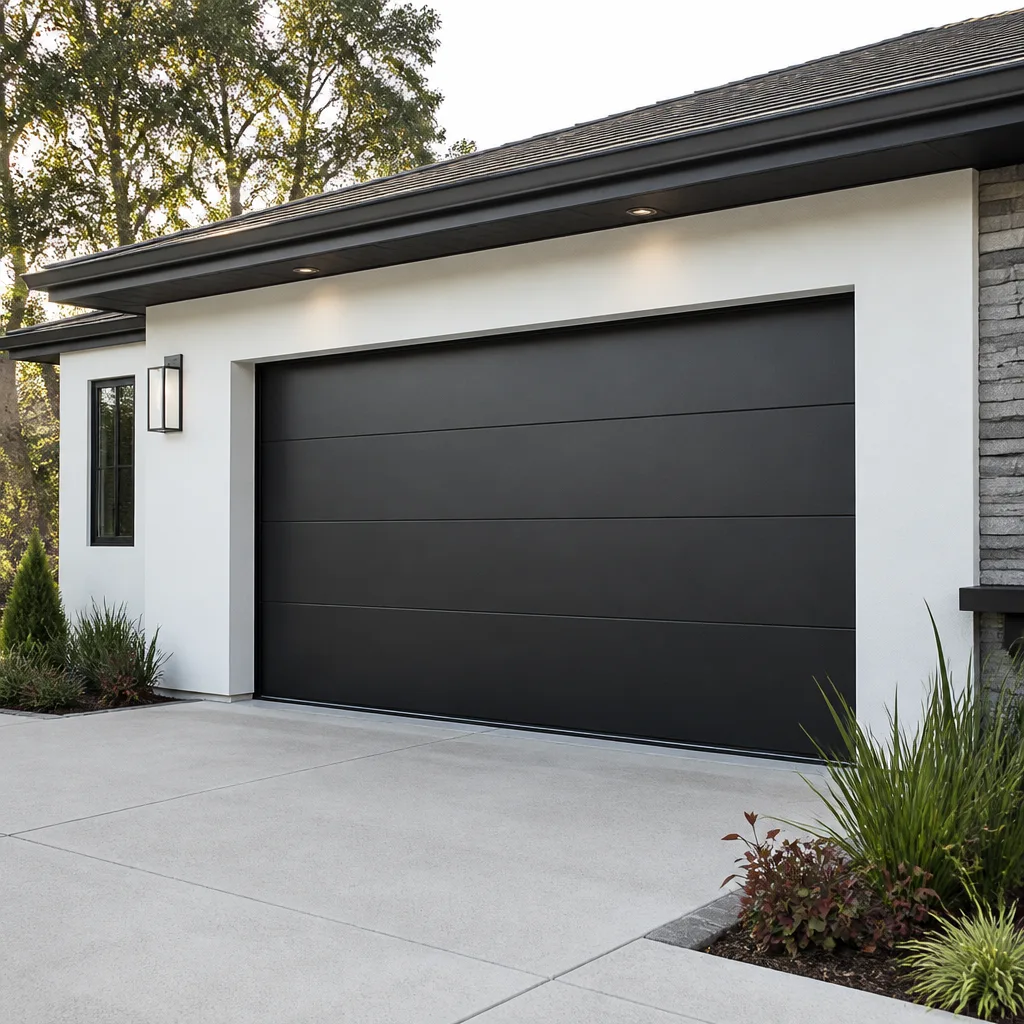 Modern flush
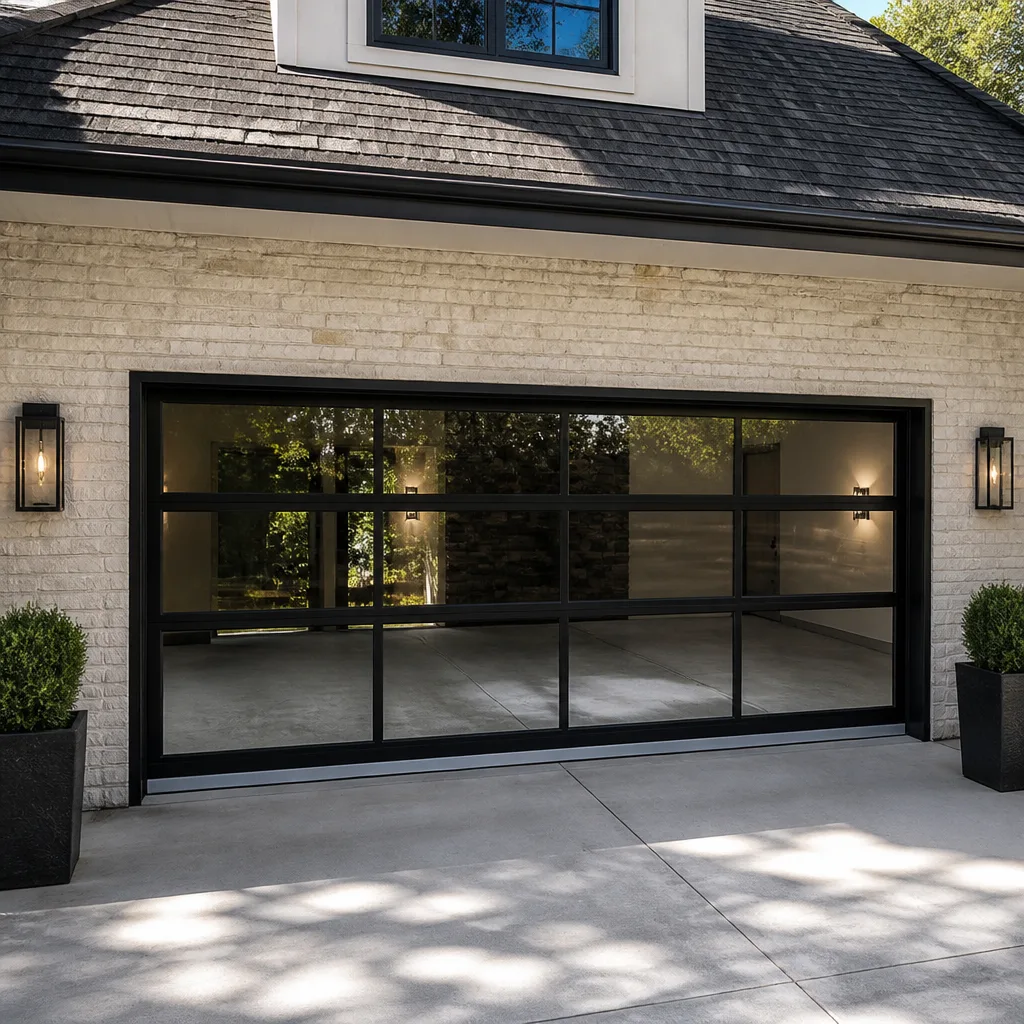 Full-view glass
 LiftMaster openers
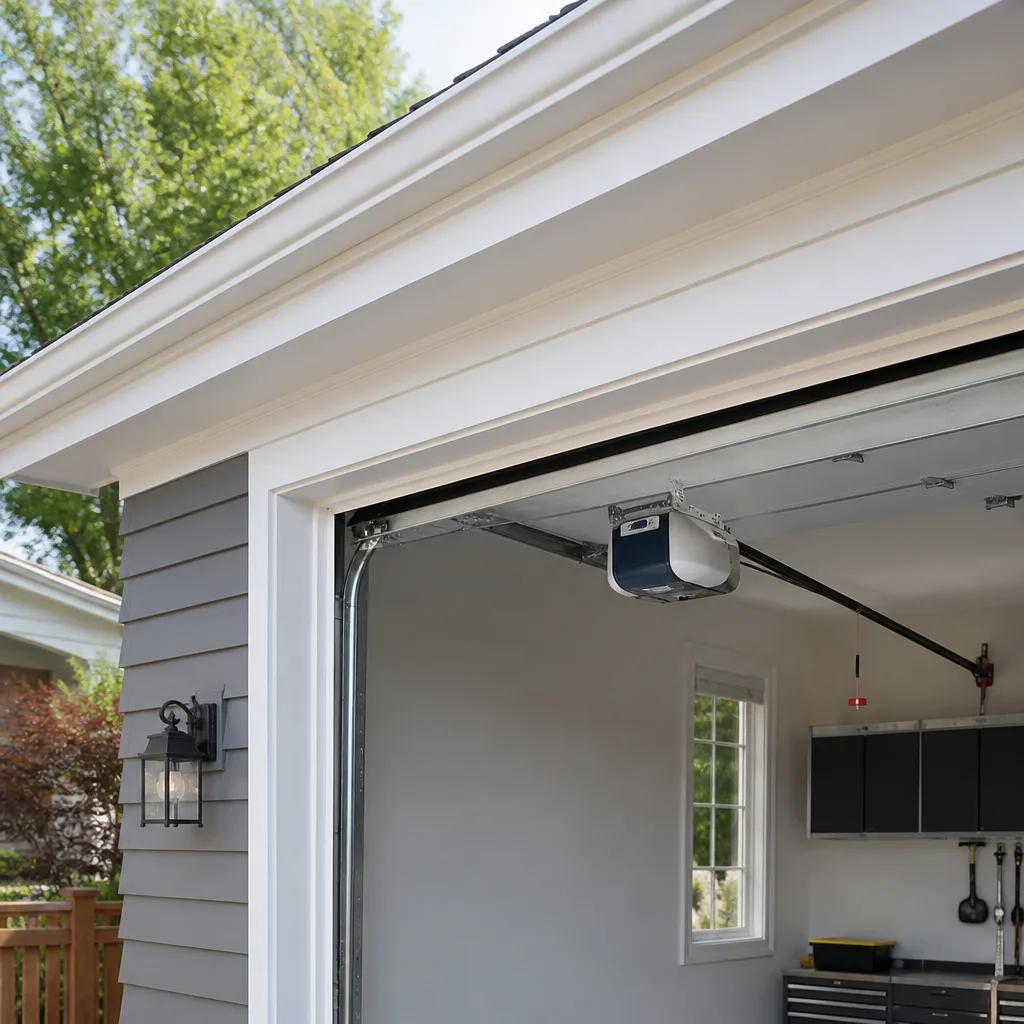 Chamberlain openers
Full 25-point door and opener safety check with every visit - springs, cables, rollers, tracks, and your LiftMaster or Chamberlain opener included
You get a price before we start. It does not change when the truck arrives.
Get your free estimateGarage Door Repair Troubleshooting: Common Problems and How to Fix Them
Most troubleshooting guides start where the homeowner already is: standing in the driveway, remote in hand, door doing something it shouldn’t. That’s backwards. A door that reverses before hitting the floor isn’t a sensor problem 40% of the time, it’s a spring tension issue that will shred your cables if you keep forcing it closed. This guide works the way a technician actually diagnoses: from symptom to root cause, not from checklist to checklist. We’re Garage Door Service Menifee, and we’ve built this from the Garage Door Repair services calls we run across Menifee every week, tracing grinding noises, half-open doors, and dead remotes back to the mechanical or electrical fault that started it all.
Styles & brands we work with
- Raised-panel steel
- Carriage house
- Modern flush
- Full-view glass
- LiftMaster openers
- Chamberlain openers
Quick Answer
Garage door repair troubleshooting starts with identifying the exact symptom (grinding, reversing, sagging, not responding, opening partially) and tracing it to the root cause, which is rarely the first thing you’d guess. Most common issues fall into five categories: broken or worn springs, misaligned sensors, stripped drive gears, bent tracks, and failed motor boards. For deeper reading on what to watch for, see our Garage Door Warning Signs: A Menifee Homeowner’s Reference Guide. Half of what homeowners call “sensor problems” turn out to be something else entirely, which is why we diagnose from the symptom, not the assumption.
Table of Contents
- Why Your Garage Door Grinds: Drive Gear vs. Roller vs. Spring
- Door Reverses Before Hitting the Floor: The Spring Tension Problem Nobody Checks
- Door Won’t Open at All: Motor Board, Trolley, or Drive Gear?
- Door Sags on One Side: Track, Hinge, and Cable Root Causes
- Opens Partially Then Stops: Limit Switches and Force Settings
- LiftMaster, Chamberlain, and Genie Error Codes: What They Actually Mean
- Sensor Misalignment: Three Causes That Aren’t the Sensors
- Common Mistakes to Avoid
- When to Call a Professional
- Frequently Asked Questions
Why Your Garage Door Grinds: Drive Gear vs. Roller vs. Spring
A grinding noise is the most misunderstood symptom in garage door repair troubleshooting. Most people hear metal-on-metal and assume the whole system is failing. In our service calls around Menifee, grinding noise breaks down into three distinct root causes, and each one has a different fix and a different price tag. Knowing which one you’re hearing saves you from paying for work you don’t need, or ignoring a problem that’s about to get expensive.
The drive gear is the most common culprit on chain-drive and screw-drive openers from Chamberlain, LiftMaster, and Craftsman. These openers use a plastic gear inside the motor housing that engages with the drive chain or screw. Over five to eight years of daily use, especially in Menifee’s summer heat where garage interiors routinely hit 110 degrees, the gear teeth wear down. The sound is a rhythmic grinding or ratcheting when the opener runs. If you hear grinding only when the opener is moving the door, and the door moves unevenly or hesitates, you’re likely looking at a stripped drive gear. This is a replacement part, but the opener itself is usually fine.
Rollers produce a different grind, more of a scraping or squealing sound. Steel rollers with worn bearings or nylon rollers that have lost their outer sleeve will grind against the track. The tell is that the noise happens throughout the door’s travel, not just when the opener engages. You can sometimes isolate it by watching which roller wobbles as the door passes. Replacing worn rollers is a straightforward repair, but it’s one that shortens the life of your tracks if ignored, since a metal roller grinding against a metal track wears both surfaces.
Springs don’t grind, but torsion spring coils that are binding or a spring that’s starting to fail can produce a creaking or groaning sound as tension shifts. This is the one to take seriously. A spring under tension that’s making noise is a spring that may be about to let go. We don’t recommend touching anything in the spring assembly without training. The noise itself is your cue to get a professional out.
Our technicians carry drive gears for all major opener brands and rollers in multiple sizes on the truck. That’s the difference between a garage door company that does repair full-time and a generalist. We see these failures so often across Menifee, from Sun City to Quail Valley, that we know which parts to bring before we even pull up. If you want a professional diagnosis, Garage Door Repair in Menifee covers grinding noise diagnosis and every other symptom on this page.
Door Reverses Before Hitting the Floor: The Spring Tension Problem Nobody Checks
Here’s the scenario we see constantly in Menifee: the door starts closing, gets about halfway down, then reverses back up like it hit something. The homeowner checks the sensors, wipes the lenses, realigns them, and the problem persists. That’s because the sensors aren’t the issue. The door is reversing because the opener’s force sensor is detecting resistance that shouldn’t be there, and the source of that resistance is usually a spring that’s lost tension or a cable that’s starting to fray.
When a torsion spring weakens, the door gets heavier to move. The opener doesn’t know the spring is weak. It only knows that it’s having to push harder than its force setting allows to close the door. When the resistance exceeds that threshold, the opener reverses as a safety response. It’s doing exactly what it was designed to do. The problem isn’t the opener, and it isn’t the sensors. It’s that the spring is no longer doing its half of the work.
Here’s the sequence to check, in order:
- Disconnect the opener using the red emergency release cord, then try lifting the door by hand. It should lift smoothly with moderate effort and stay open about three to four feet off the ground on its own. If it’s heavy, won’t stay up, or drops when you let go, the springs are the problem, not the sensors.
- Inspect the cables on both sides of the door. Look for fraying, especially near the bottom roller bracket. A frayed cable changes the door’s travel geometry and creates intermittent resistance.
- Check the track for bends at the bottom section near the floor. A track that’s been hit by a car bumper or shifted with settling soil creates friction that grows as the door descends.
- Test the force setting only after you’ve confirmed the springs and cables are sound. Sometimes the force setting is simply too low for an older door that’s gained weight from moisture absorption or added insulation panels.
One thing we tell Menifee homeowners constantly: if the door reverses and you respond by holding the wall button down to force it closed, you’re compounding the problem. We’ve seen cables snap and doors come off their tracks because a failing spring was ignored while the homeowner overrode the safety reversal. The spring tension is the root cause. Fix that, and the reversing stops. We service every spring type on the market, including Wayne Dalton torque-master springs that many garage door companies won’t touch, and Raynor doors with their specific spring dimensions. If you’re choosing a pro, our How to Hire a Garage Door Contractor in Menifee: A Step-by-Step Guide walks you through what to look for. If your door is reversing, call us before you force it one more time.
Door Won’t Open at All: Motor Board, Trolley, or Drive Gear?
A door that won’t open at all is where garage door repair troubleshooting actually gets interesting, because there are three completely different failures that produce the same “dead door” symptom. Homeowners usually replace the opener. In a lot of cases, they didn’t have to.
Motor board failure means the opener’s logic board has stopped responding. The symptom is usually silence. You press the remote, nothing happens. You press the wall button, nothing happens. The opener has power, the LED on the unit might be lit or blinking, but no mechanical response. On LiftMaster and Chamberlain units, a failed motor board often shows a blinking diagnostic LED or an error code. On Craftsman openers, the symptom is frequently a door that works intermittently for weeks before it quits entirely, which is the board degrading, not the motor.
Trolley failure is different. The opener runs, you can hear the motor spinning, but the door doesn’t move. The trolley is the carriage that connects the opener’s drive mechanism to the door arm. When the trolley’s internal gears strip or the carriage disengages, the motor runs but the door stays put. This is a repair, not an opener replacement, on most LiftMaster models. The trolley assembly is replaceable.
Drive gear failure is the third possibility, and it’s the one that sounds like the opener is trying. You’ll hear a grinding, a ratcheting, or a high-pitched whine when you press the button. The motor is running, but the output gear that drives the chain or belt has stripped. On chain-drive openers, especially older Chamberlain and Craftsman models in Menifee garages that run hot in the summer, drive gear failure is common and often misdiagnosed as a dead motor.
Here’s how to distinguish the three without opening anything:
- Press the wall button. No sound at all? Suspect the motor board or the power supply to the unit.
- Hear the motor run but the door doesn’t move? Suspect the trolley or the drive gear.
- Hear grinding with the motor running? That’s the drive gear, and it’s one of the most common opener repairs we do.
We work on all of these opener systems, and we’ve seen every failure mode each brand has to offer. Our Garage Door Opener Repair in Menifee service covers Chamberlain, LiftMaster, Genie, and Craftsman drive systems, plus the smart-home integration layer on newer models. Before you replace an opener that might just need a $40 drive gear, get the diagnosis right.
Door Sags on One Side: Track, Hinge, and Cable Root Causes
A door that sags on one side or closes unevenly, leaving a gap at one corner of the floor, tells you something about the door’s structural integrity. The door is a balanced system. When it’s not balanced, something has changed on one side and not the other. In Menifee, where our soil has a high clay content that expands and contracts with moisture, we see track shift from foundation settling more than our technicians see it in other regions.
The three root causes behind a sagging door are track misalignment, worn hinges, and cable issues, and they often cascade. Here’s how they work together:
Track misalignment is usually the starting point. If the vertical track on one side has pulled away from the wall, or if the horizontal track has shifted, the rollers on that side travel a different path than the rollers on the other side. The door sags toward the misaligned side. A common Menifee-specific cause is a lag bolt pulling out of the wall after years of thermal expansion and contraction in the garage framing. The fix is re-securing the track and re-aligning it to the door.
Worn hinges produce a different sag pattern. The hinges connect each door section to the next. The bottom hinges carry the most weight, and when their bushings wear, the sections on that side develop play. The door sags when it’s halfway up, then closes relatively square. If you look at your hinges and see one that’s visibly deformed or a roller stem that’s worn, that’s your culprit. Hinge replacement is cheap. Ignored, a worn hinge puts lateral stress on the sections themselves, and now you’re looking at a bent door panel.
Cable issues are the one to catch early. The lift cables on each side of the door operate under tension. When one cable frays or when the drum on one side slips, that side of the door drops faster than the other. You’ll see the door close crooked and often hear a pop or snap when the cable lets go. A door with a broken cable is dangerous to operate. The spring assembly on that side is no longer counterbalanced, and the remaining cable is now under extra load.
We check all three when a Menifee homeowner calls about a sagging door because they’re frequently related. A door that’s been sagging for months has worn the hinges and stretched a cable. Fix one and ignore the others, and the sag comes back within weeks.
Opens Partially Then Stops: Limit Switches and Force Settings
A door that opens a foot or two and then stops, or closes halfway and reverses, is often the door’s limit switches or force settings doing their job a little too literally. The opener has two types of settings that tell it where to stop and how hard to pull: limit switches that control travel distance, and force settings that control how much resistance the opener will push against before reversing.
When a door opens partially and stops, the limit switch has either drifted from its setting or lost its setting entirely. On older openers, these are physical screws on the motor housing that are easy to disturb accidentally. On newer LiftMaster, Chamberlain, and Genie openers, they’re digital settings accessible through the wall control panel or a smartphone app. A power surge or a dead backup battery can reset these digital limits to factory defaults, which rarely match your door’s actual travel.
Here’s the diagnostic sequence we use:
- Run the door and watch where it stops. If it stops at exactly the same point every time, that’s a limit setting, not a mechanical bind.
- Check if the opener’s lights flash when the door stops. A flashing light usually means the force setting tripped, not the limit.
- Adjust the limit settings through the wall control or app. On most LiftMaster and Chamberlain units, the procedure takes about 60 seconds and is documented on the opener’s panel.
- Check the force settings if the limit adjustment doesn’t solve it. An opener that’s set too sensitive will stop because it thinks it’s hitting something.
The force settings are the more interesting variable in Menifee. We get hot summers and cold winter mornings. Lubricants thicken. Rollers that moved freely in August are sluggish in December. An opener with force settings that were fine all summer suddenly starts stopping midway in winter because the door is harder to move. The fix might be as simple as lubricating the rollers and hinges, then re-running the opener’s force calibration. Or it might be a sign that your springs are losing tension and the opener is working harder. These are the cases where we tell homeowners to get the spring check done rather than just cranking the force setting up, because an over-corrected force setting masks the real problem.
LiftMaster, Chamberlain, and Genie Error Codes: What They Actually Mean
Modern openers tell you what’s wrong if you know how to listen. The blinking diagnostic LEDs and error codes on LiftMaster, Chamberlain, and Genie openers are the closest thing garage door repair troubleshooting has to an OBD-II scanner. Here’s how to read the most common ones, translated from technician shorthand to English.
LiftMaster and Chamberlain (these two brands share the same parent company and the same error code system):
- 1 blink: The opener’s sensors are misaligned or blocked. This is the code homeowners know, but it’s worth confirming before you go adjusting anything.
- 2 blinks: The safety sensor circuit is shorted or open. This is different from misalignment. It means the wiring to the sensors has a problem, which happens when a rodent chews the low-voltage wire in the Menifee area or when the wire staples have cut into the insulation.
- 4 blinks: The opener’s sensors are misaligned or obstructed for more than a few seconds during operation. This is the code that fires when the door is already moving.
- 5 blinks: Motor overheat. Let it cool, then check whether the door is balanced. An opener that overheats regularly is usually working against a failing spring.
- 6 blinks: The motor circuit is drawing too much current. This is the code that often precedes a full motor board failure. We see it on openers that have been running with weak springs for months.
Genie openers use a different system, with error codes shown on the wall console or through a blinking pattern:
- Two blinks on the powerhead: The door’s not balanced or the opener’s force setting is off. Genie is more direct about this than Chamberlain.
- Four blinks: The safety sensor is blocked. Again, check that nothing’s between the sensors before assuming it’s the alignment.
- Five blinks: The motor has overheated. Same advice as above: cool down, then check the springs.
These codes are starting points, not final diagnoses. A 5-blink code on a Chamberlain means overheating, but the overheating is the symptom. The cause is almost always a spring that’s lost tension and made the door twice as heavy to lift. We’ve replaced enough springs on Raynor and Wayne Dalton doors in Menifee to know that when the error code points to the motor, the spring is standing behind it. A door that’s balanced properly won’t overheat an opener. If you’re getting error codes and want a diagnosis that goes past the code itself, our Garage Door Opener Repair in Menifee service covers the full electrical and mechanical diagnosis.
Sensor Misalignment: Three Causes That Aren’t the Sensors
Every garage door troubleshooting article on the internet tells you to check the sensors. Wipe the lens, make sure the lights are aligned, clear the path. That advice is fine as far as it goes, but it misses the point that we see every week in Menifee: the sensors were never the problem. The problem is that the garage itself moved.
Here are the three structural causes that present as sensor misalignment, none of which are fixed by adjusting the sensor brackets:
Settling foundation. Menifee sits on expansive clay soil. The garage floor slab can shift by a quarter inch or more over a few years as soil moisture changes with the seasons. When the floor moves, the track moves with it, and the sensors, which are mounted to the track, move too. You can realign the sensors and get the door working for a week, then the next rain or dry spell shifts the slab again and the problem returns. The real fix is re-securing the track to account for the slab’s position, not endlessly adjusting sensors.
Bent vertical track. A track that’s been bumped by a trash can, a bicycle, or a car mirror will have a slight bend at the sensor mounting point. The sensors may be perfectly aligned in their brackets, but the bracket itself is now angled wrong. Straightening the track or replacing that section solves the problem permanently. Adjusting the sensor angle to compensate for a bent track works until the door’s rollers pass that section and jostle the track again.
Loose rail bracket. The horizontal rail that carries the opener sags when its mounting brackets loosen. As the rail sags, the door closes less smoothly, and the sensors, which are mounted low near the floor on either side, vibrate out of alignment during every cycle. The sensor lights might look fine when the door is open, then go out when the door closes. Tightening the rail bracket to the ceiling and re-leveling the rail stops the vibration at the source.
The point here is worth stating plainly: in a significant number of our Menifee service calls, the homeowner has already tried to fix a sensor problem and failed because there was never a problem with the sensors. The sensors are just the messenger. When your sensor lights blink, something moved, and it wasn’t necessarily the sensor itself. We diagnose the structure, not just the component.
Common Mistakes to Avoid
- Forcing the door closed when it reverses. Holding down the wall button to override a reversing door is how cables snap and doors come off their tracks. The reversal is a safety response. Find the cause before you override it.
- Replacing the opener when the drive gear is the problem. A stripped drive gear on a Chamberlain or LiftMaster opener is a $40 to $80 part and an hour of labor. Replacing the whole opener is $500 or more for a problem the new opener would never have had.
- Lubricating a dirty track or roller. Adding grease to a track that’s full of Menifee dust and grime creates a grinding paste that accelerates wear. Clean first, then lubricate only the roller bearings, hinges, and spring coils with a garage-door-specific lubricant.
- Adjusting spring tension without training. Torsion springs operate under hundreds of pounds of force. A spring that unwinds while you’re working on it can kill. This is the one repair we tell every Menifee homeowner to never attempt.
- Ignoring a noisy door because it still works. Grinding, squealing, and rasping sounds are your door telling you something is wearing out. By the time the door stops working, the repair is bigger.
- Resetting the opener’s settings to fix a mechanical problem. If the springs are weak, no amount of force setting adjustment or limit tweaking will compensate. The opener’s settings should describe a healthy door, not mask a sick one.
- Assuming the sensors every time. About 40% of “sensor problems” we see in Menifee are actually track, spring, or cabling issues. Before you spend an afternoon realigning sensors, disconnect the opener and check the door’s balance by hand.
When to Call a Professional
Some garage door repairs are safe and sensible for a homeowner to handle: replacing remote batteries, tightening loose hinge screws, lubricating rollers, cleaning sensor lenses. Others are genuinely dangerous. Any work involving torsion springs, lift cables, or track removal should be done by a trained technician. These components are under high tension, and a mistake can cause serious injury or worse. If your door has a broken spring, a frayed cable, a bent track, or an opener that’s showing error codes you can’t resolve, stop troubleshooting and call someone who does this work full-time. Garage Door Service Menifee offers free estimates in Menifee – call (833) 593-4019. If your door needs replacement rather than repair, we’ll tell you that too, and our Garage Door Installation in Menifee service handles the full range from measuring to installation.
Frequently Asked Questions
A garage door troubleshooting call in Menifee typically ranges from $75 to $150 for the diagnosis when you hire a dedicated garage door company, though many companies, including ours, roll the diagnostic fee into the repair if you proceed with the work. Call (833) 593-4019 for an exact quote before anyone comes out.
Most garage door repairs in Menifee can be completed the same day when it’s a spring replacement, roller replacement, drive gear repair, or sensor fix, since our technicians carry those parts on the truck. Installation and full door replacements take longer because the door has to be measured and ordered. Call us at (833) 593-4019 to check same-day availability for your specific issue.
Your garage door reverses before closing because the opener’s force sensor detects resistance higher than its setting allows, which means the door is heavier than it should be due to a weak torsion spring, a frayed cable, or a track that’s binding. The sensors are usually not the cause, even though most troubleshooting guides start there.
A blinking opener light usually means the safety sensor circuit is misaligned, blocked, or shorted, but the number of blinks tells you more. On LiftMaster and Chamberlain units, 1 blink means misalignment, 2 blinks means a wiring issue, and 5 blinks means motor overheat, which points to a spring problem rather than a sensor problem.
No. A broken spring means the door’s full weight is now carried by the opener and the remaining spring, which creates a dangerous imbalance. The door can drop suddenly, and continued use damages the opener, stretches the cables, and risks the door coming off its track. This is a repair you should not delay, and it’s not a DIY job.
We service eight major garage door and opener brands – LiftMaster, Chamberlain, Genie, Clopay, Amarr, Wayne Dalton, Craftsman, and Raynor. If your door or opener is made by one of those manufacturers, we have the parts and the training to fix it. If it’s an obscure brand, we’ll still diagnose it and tell you honestly whether repair makes sense or replacement is the better route.
The Bottom Line
Garage door repair troubleshooting is really about diagnosing from the symptom back to the root cause, and the root cause is rarely the most obvious candidate. For more guides & resources, visit our blog. Grinding is usually a drive gear. Reversing is usually a spring. A dead opener might be a trolley or a motor board, not a motor. A blinking sensor light might mean the foundation settled, not the sensor moved. When you work from the actual mechanical and electrical fault instead of the symptom’s first guess, you fix the problem once instead of chasing it through three visits. If you’re in Menifee and stuck on any of these issues, call us at (833) 593-4019. Garage doors are all we do.
Written by the team at Garage Door Service Menifee, serving Menifee since 2012.
See the difference
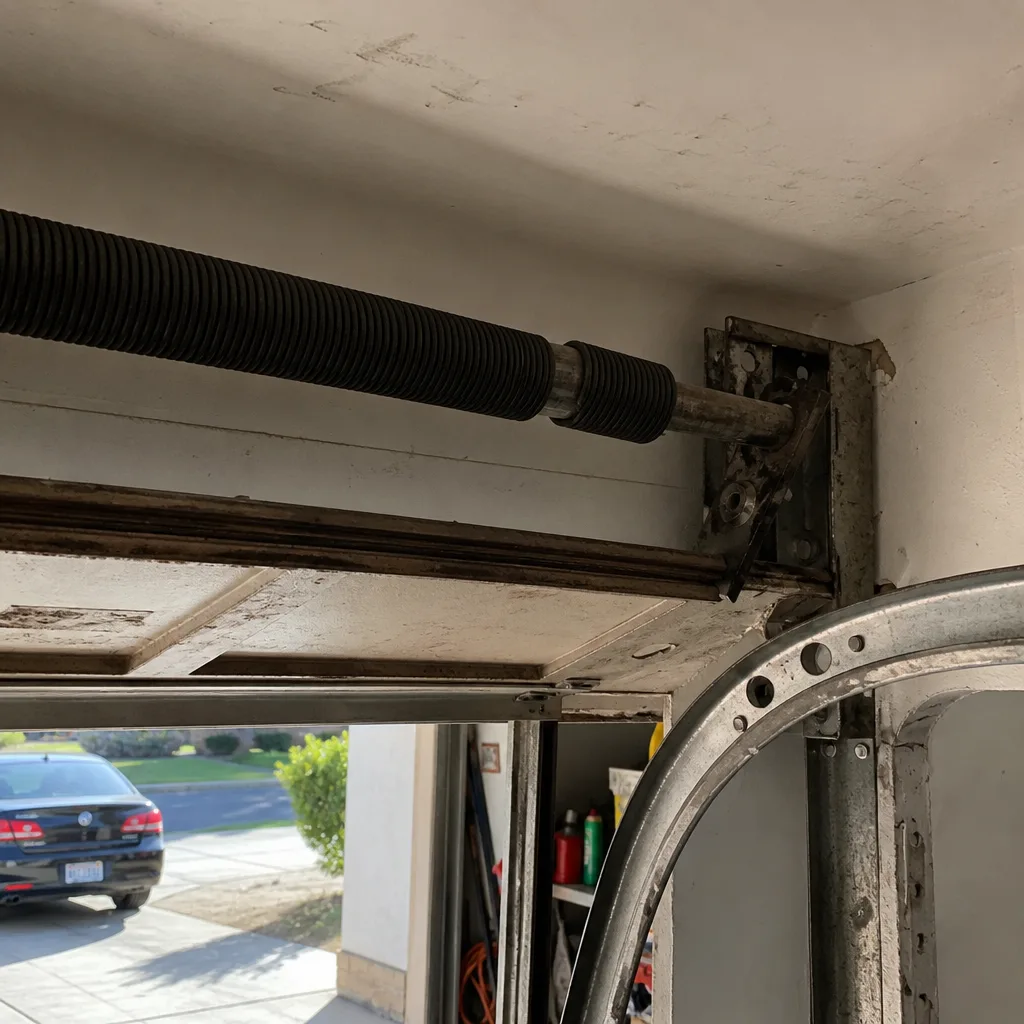
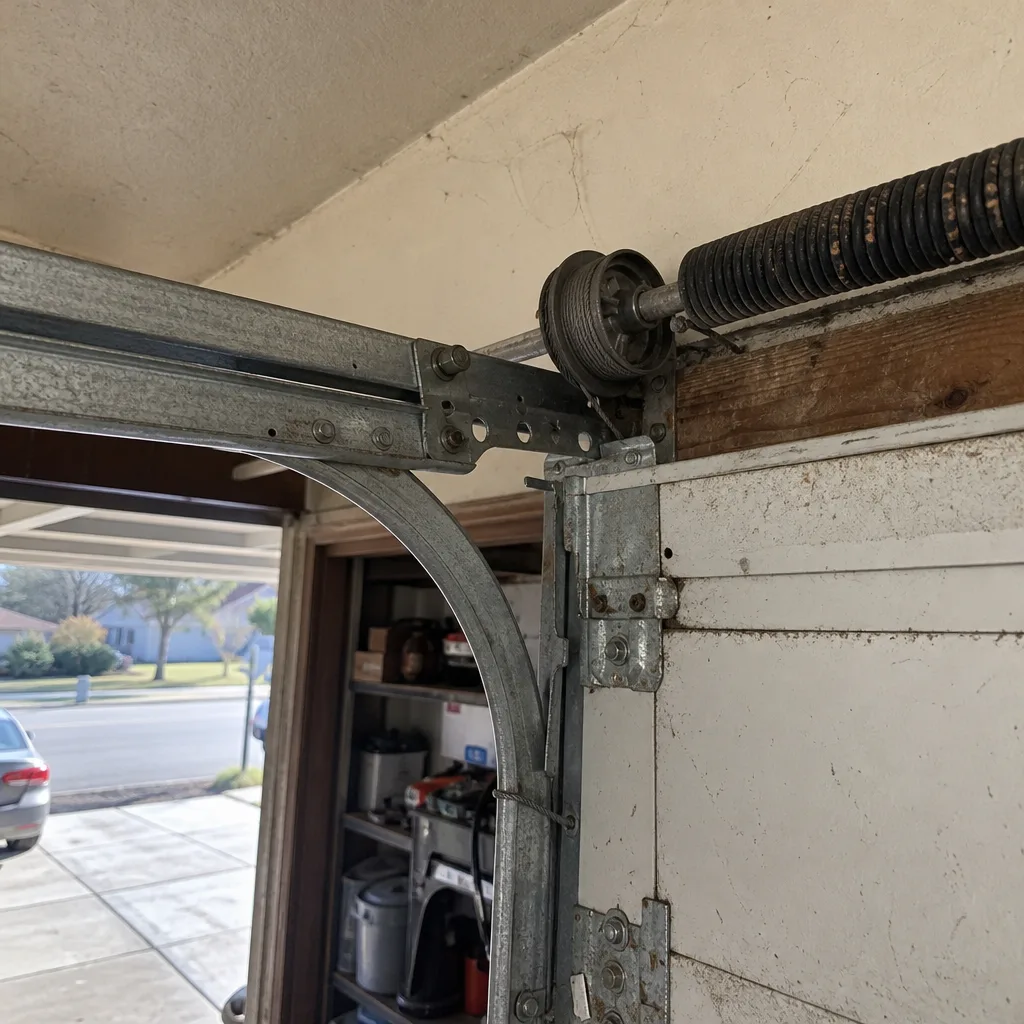
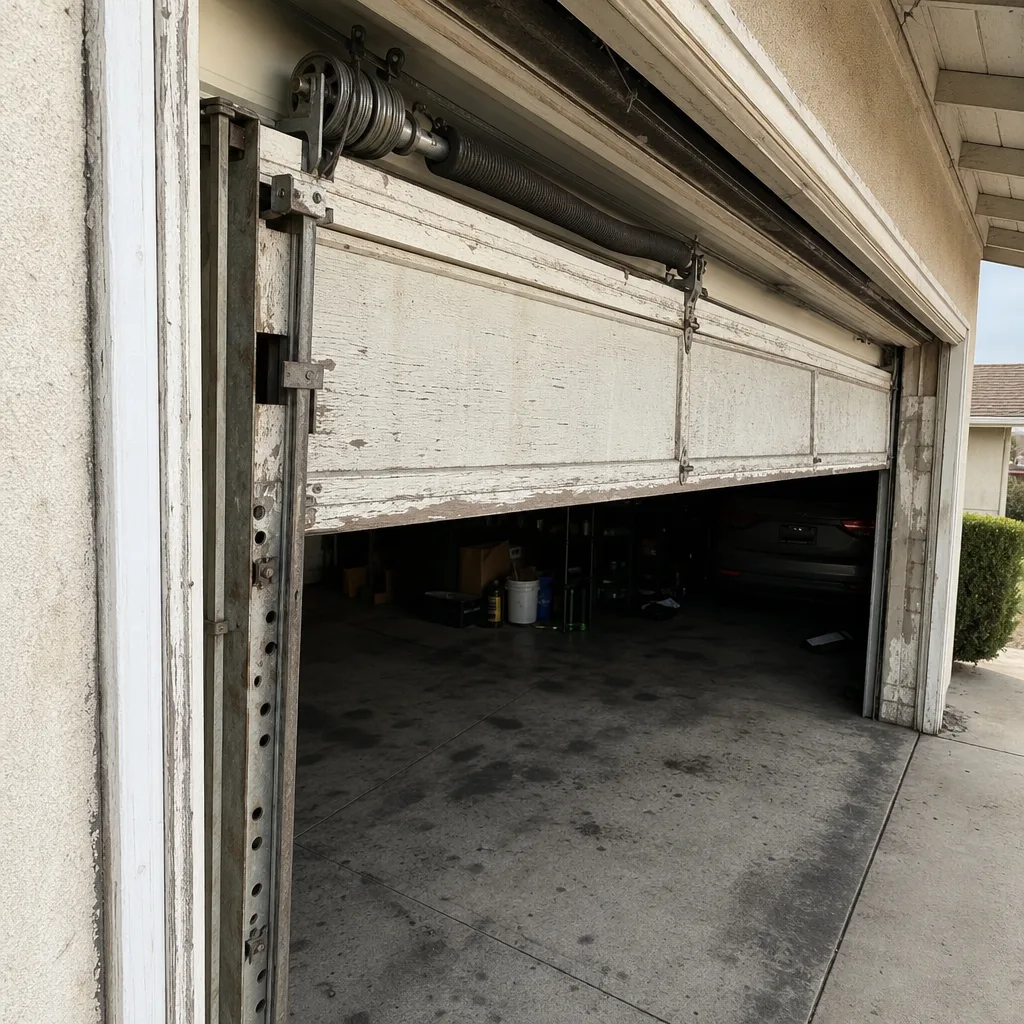 Before
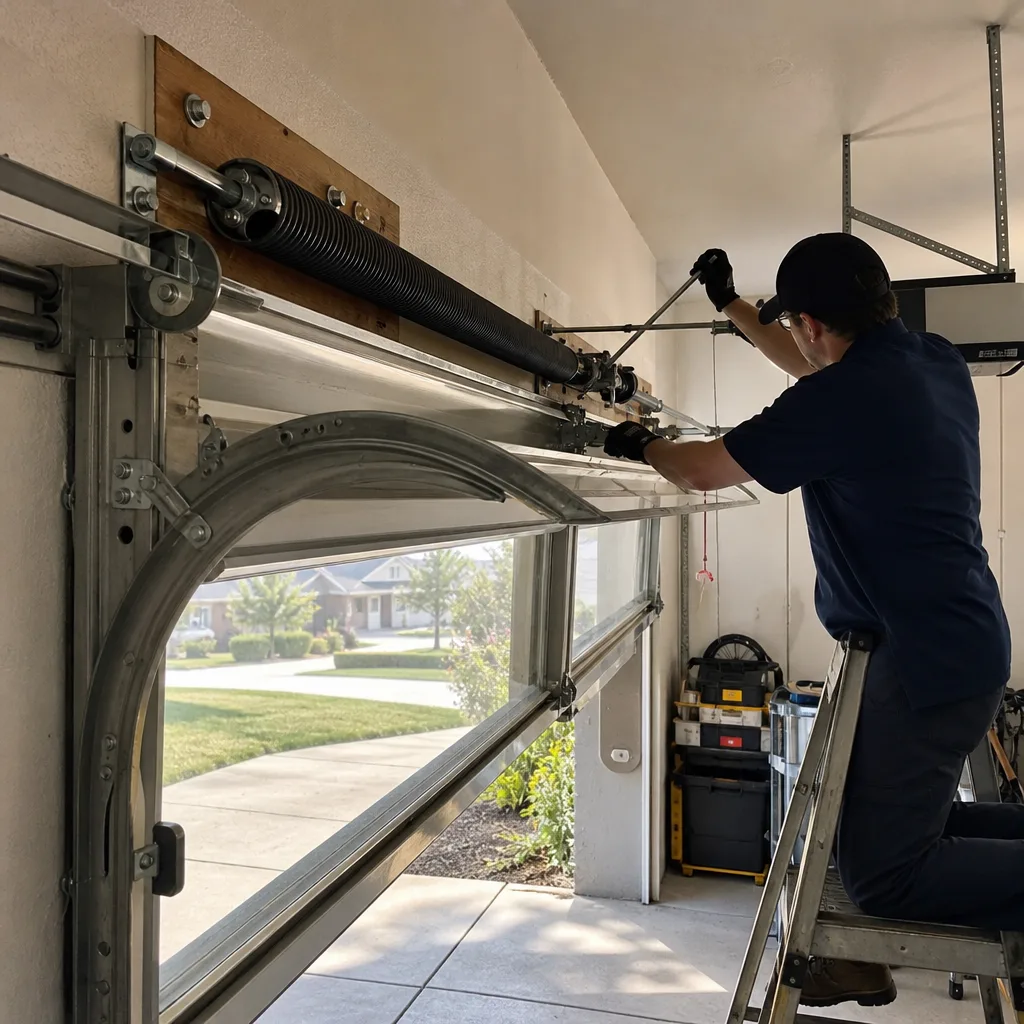
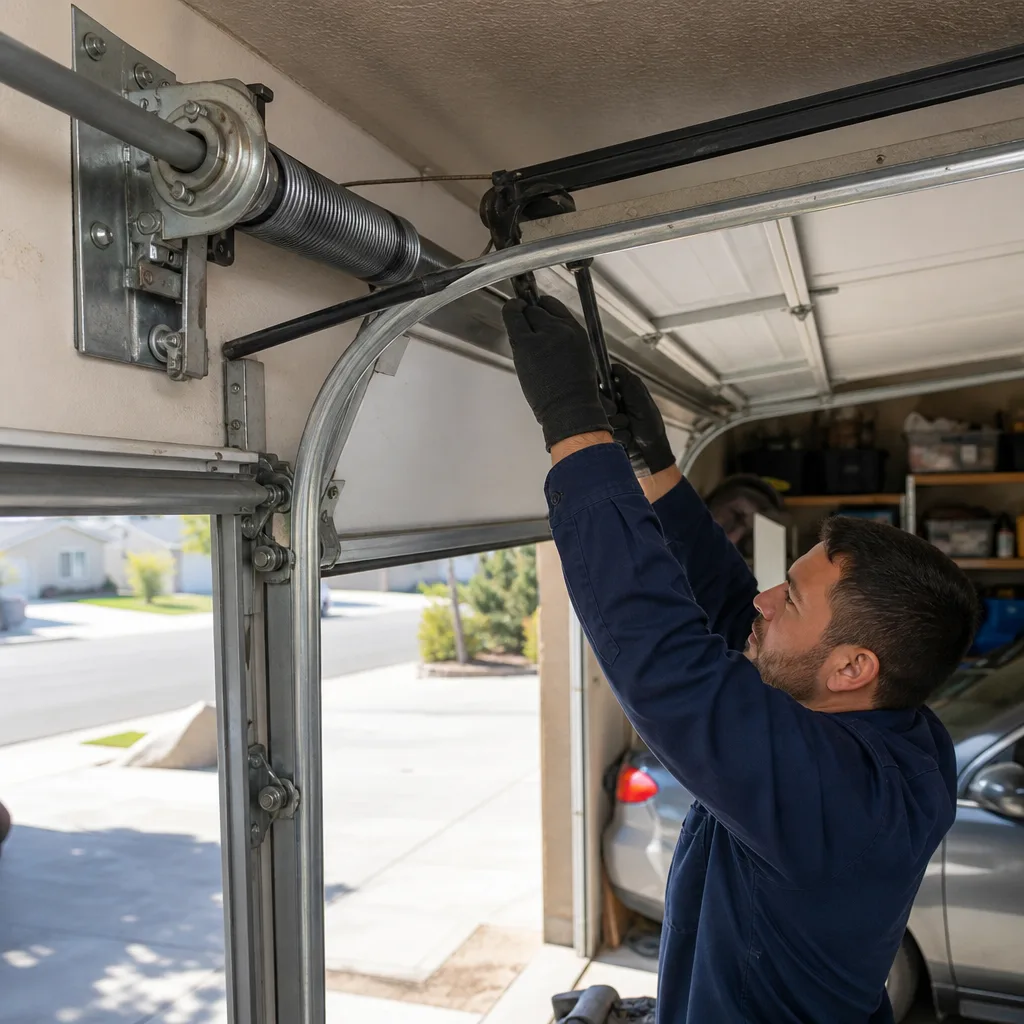
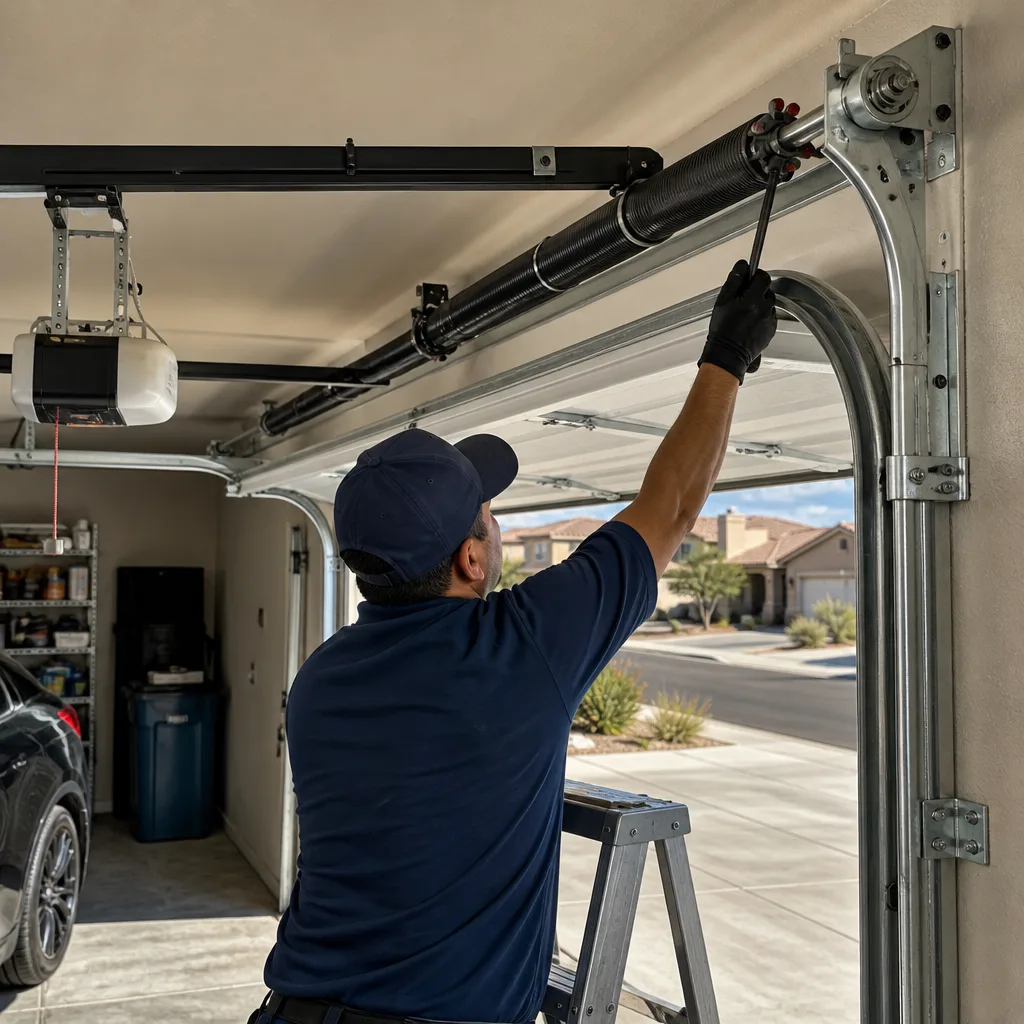 After
 Before
 After
 Before
 After