
Last updated November 2, 2026
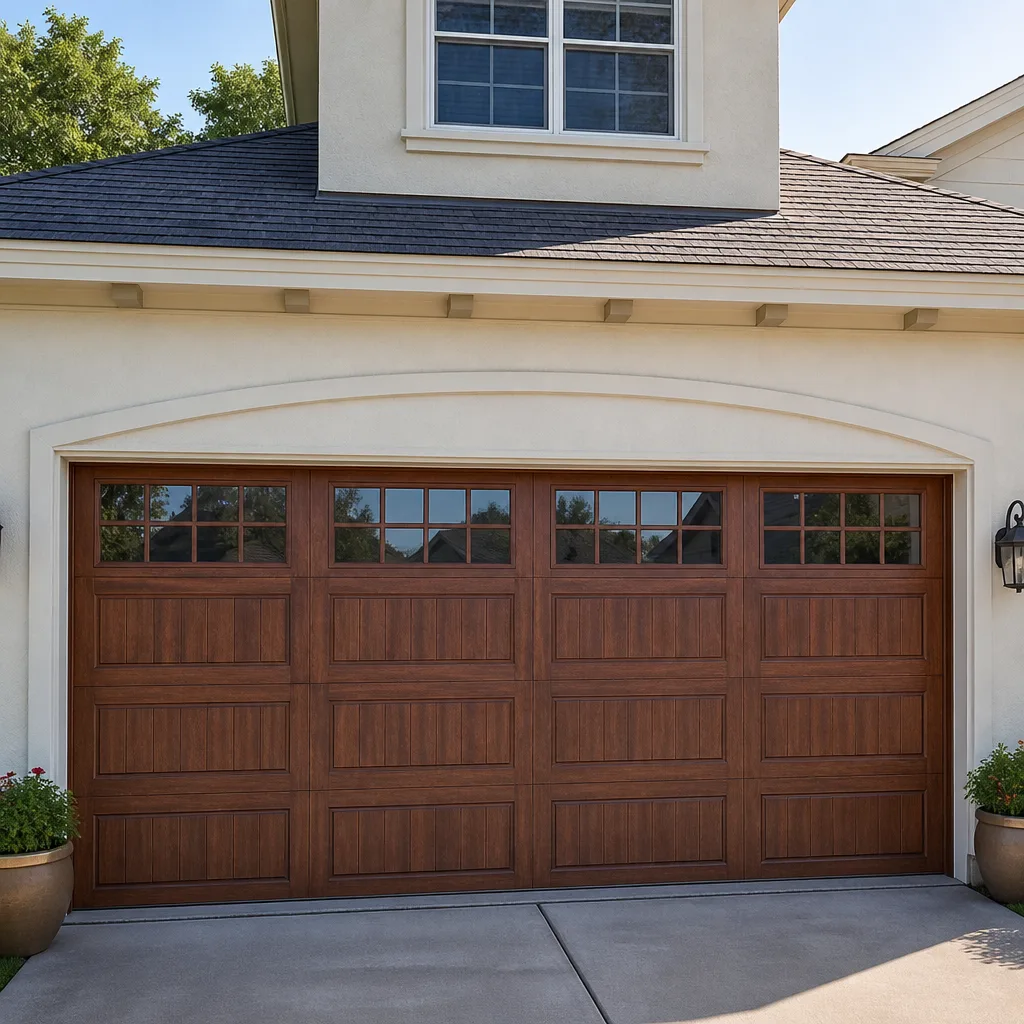
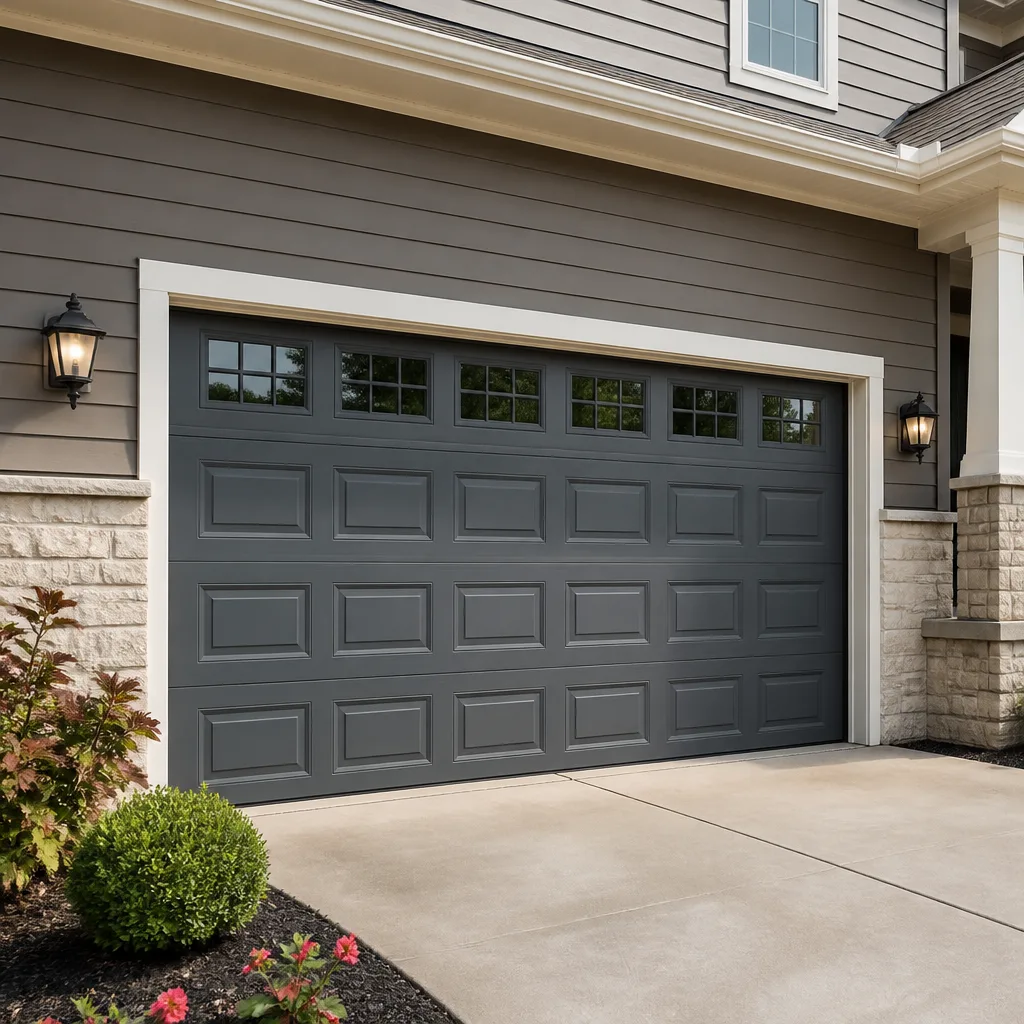 Raised-panel steel
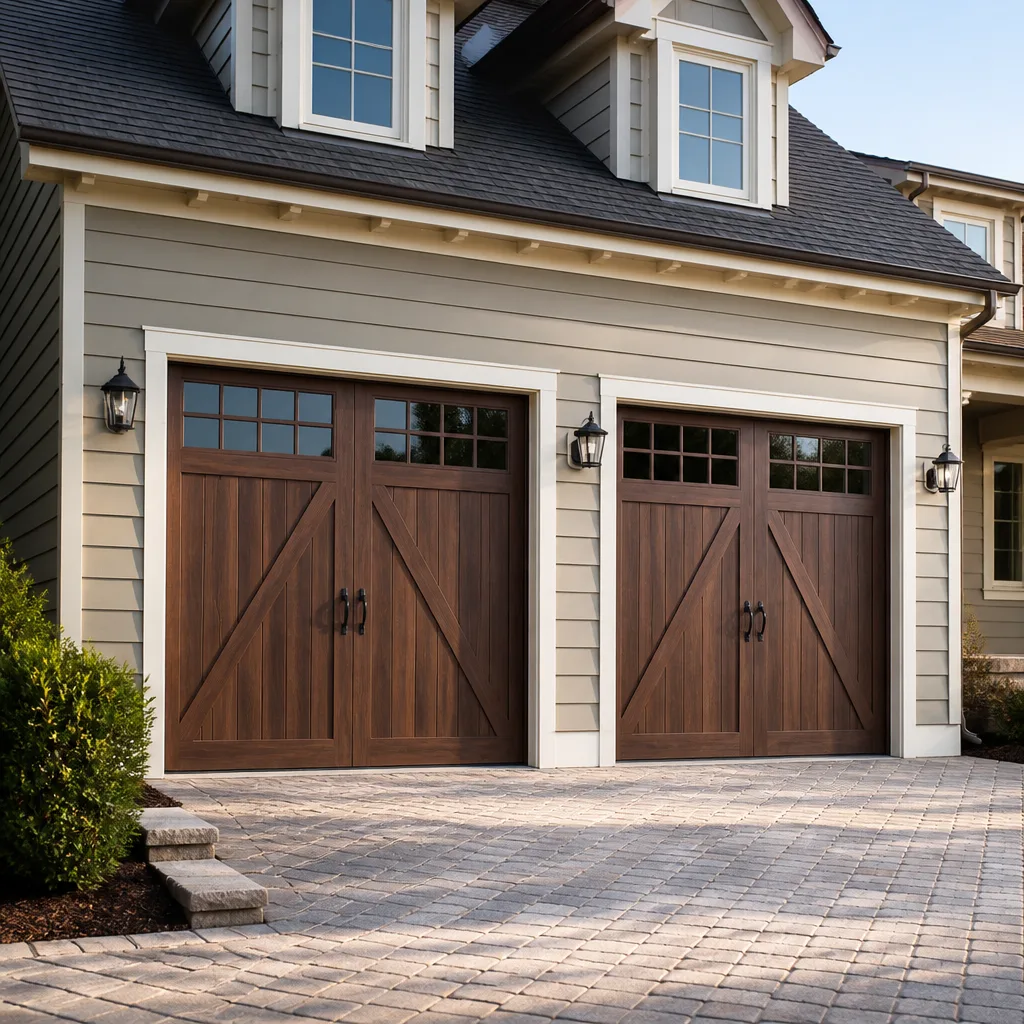 Carriage house
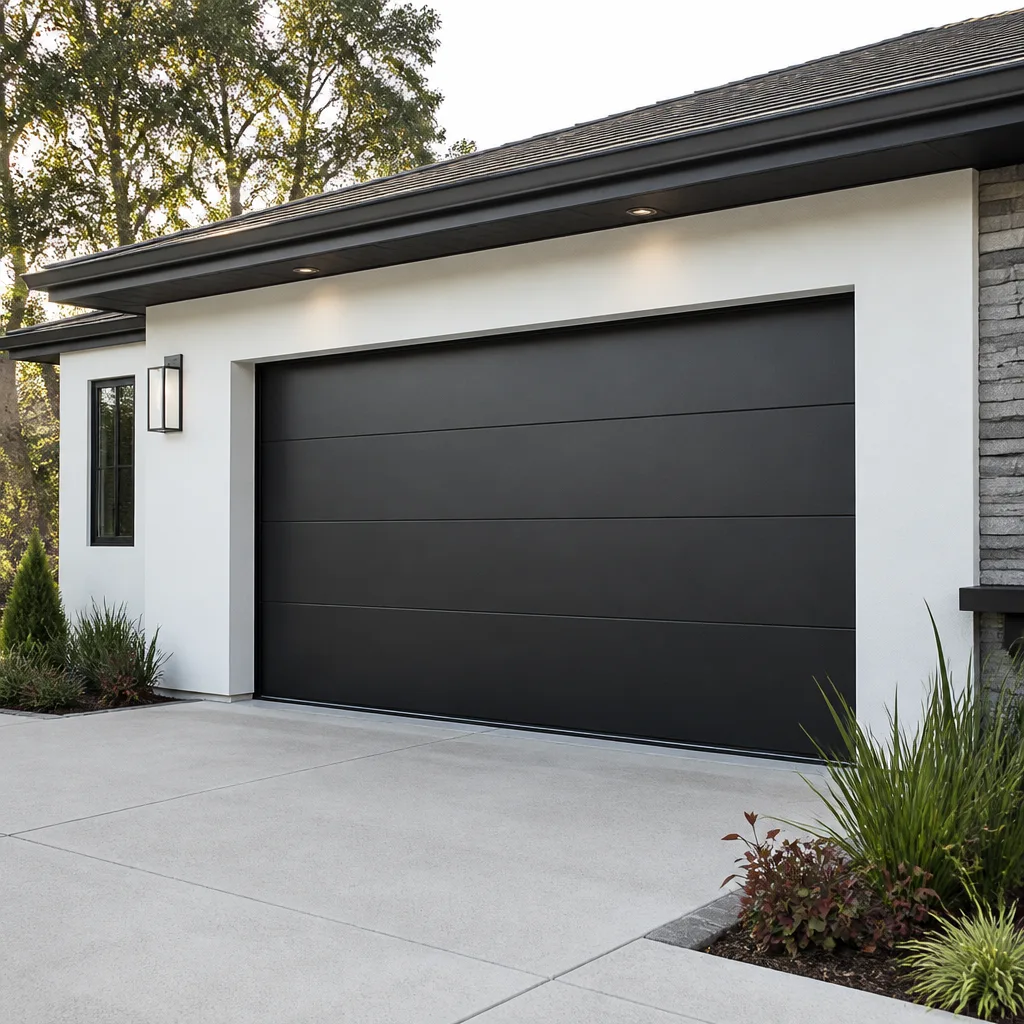 Modern flush
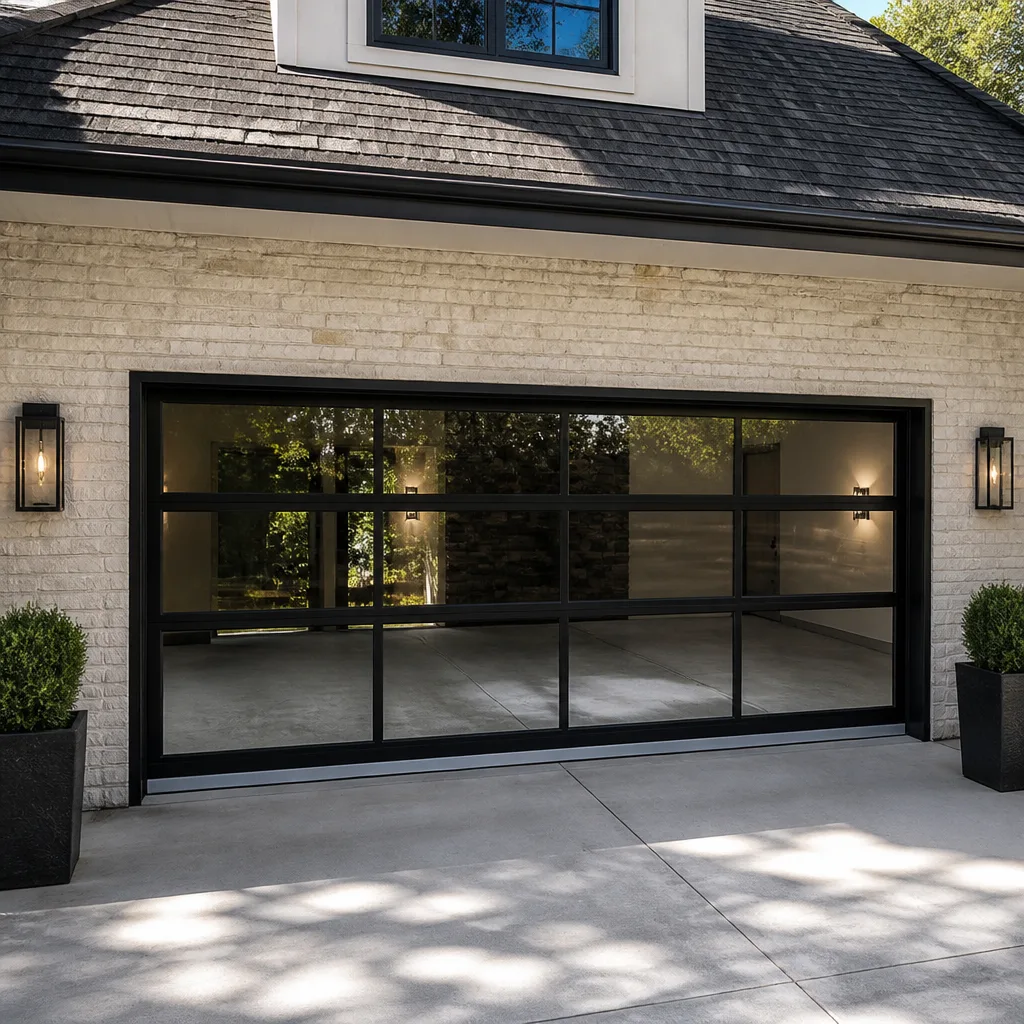 Full-view glass
 LiftMaster openers
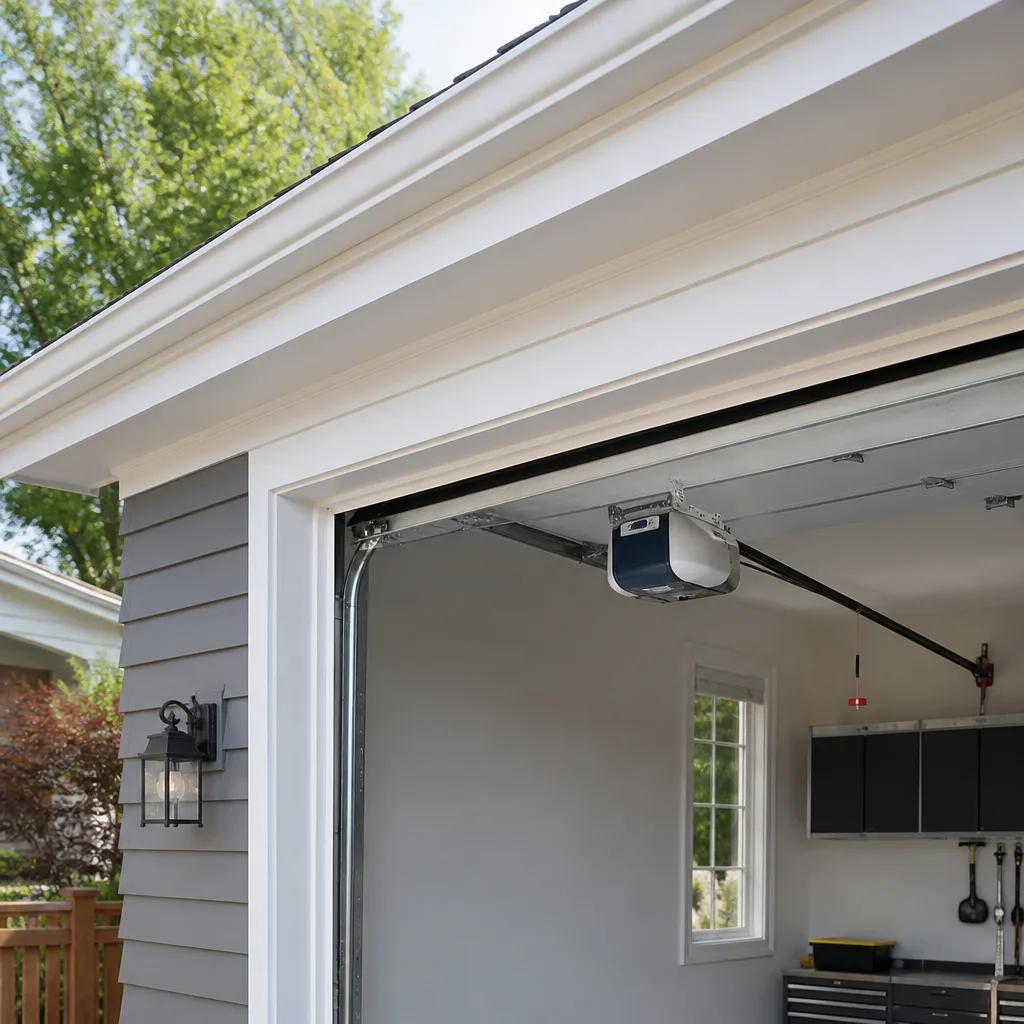 Chamberlain openers
Full 25-point door and opener safety check with every visit - springs, cables, rollers, tracks, and your LiftMaster or Chamberlain opener included
You get a price before we start. It does not change when the truck arrives.
Get your free estimateGarage Door Warning Signs: A Menifee Homeowner’s Reference Guide
Most garage door failures in Menifee don’t start with a bang. They start with a pause. A hesitation of one second before the door moves. A faint click that wasn’t there last month. A cable that looks fine until you notice one strand is brighter than the others, catching the garage light differently because it’s under tension it shouldn’t be. By the time a door actually refuses to open or a spring snaps loud enough to sound like a gunshot, the problem has usually been building for weeks. This guide covers the early-stage signals that experienced technicians catch before a failure happens, translated into plain language you can use tonight in your own garage. For more guides & resources on keeping your door reliable, see our blog.
Quick Answer
The most common early garage door warning signs in Menifee homes are a door that hesitates or moves unevenly when opening, grinding or popping noises that change with the season, visible rust at the bottom brackets, a door that drifts down after opening, and opener behavior that seems to have a mind of its own, reversing or stopping without an obvious cause. Each of these points to a specific component, spring, roller, cable, track, or opener gear, and catching them early typically means a repair that costs a fraction of an emergency spring replacement.
Styles & brands we work with
- Raised-panel steel
- Carriage house
- Modern flush
- Full-view glass
- LiftMaster openers
- Chamberlain openers
Table of Contents
- Sound Diagnosis: What Your Garage Door Is Telling You
- Visual Tells on the Door Itself
- Opener Behavior Flags That Deserve Attention
- The Monthly Balance Test Every Menifee Homeowner Should Do
- Menifee-Specific Triggers: Hard Water, Heat, and Dust
- Cable and Spring Warning Signs You Can See Without Touching Anything
- Repair or Replace: How to Think About the Decision
- Common Mistakes to Avoid
- When to Call a Professional
- Frequently Asked Questions
Sound Diagnosis: What Your Garage Door Is Telling You
A garage door that makes noise is not automatically a garage door that needs repair. Some noise is normal, especially on older doors. But specific sounds map to specific components, and once you learn the vocabulary, you can often identify the failing part before you call anyone. Here’s what we listen for when a Menifee homeowner describes a noise over the phone.
Grinding with no rhythm. A grinding sound that doesn’t follow the door’s movement usually points to the opener’s internal gears. On chain-drive LiftMaster and Craftsman openers, the plastic drive gear inside the motor housing strips over time, especially in Menifee’s summer heat, which accelerates plastic fatigue. The sound is uneven, almost like rocks in a blender, and it gets worse over weeks. This is an opener repair, not a door repair.
Popping when the door moves. A rhythmic pop or snap as the door travels is classic roller territory. Rollers wear flat on one side, then catch and release in the track. The sound repeats at the same point in the door’s travel every time. Sometimes it’s the roller itself. Other times it’s a bent hinge or a section that’s slightly out of alignment, forcing the roller to bind. If left alone, a popping roller chews through the track edge, and the track replacement costs more than the roller replacement ever would have.
Rattling at the bottom of the door. A rattle from the bottom section, especially when the door is closed and the wind blows, means the bottom bracket or bottom seal hardware has loosened. In Menifee’s dry, dusty climate, vibration and dust work together to back out fasteners. It’s usually a five-minute fix if caught early, but ignored long enough, the bracket can shift and put uneven load on the bottom panel, which leads to panel bow.
Squealing that changes pitch. Squealing is almost always either rollers or hinges, and the pitch tells you which. A high, constant squeal through the full travel is dry metal in the hinges. A squeal that pulses as the door moves is dry rollers. Both respond to proper lubrication, but here’s the thing we tell every Menifee homeowner: if the squeal has been there for more than a few months, the component has already worn past the point where lubrication alone fixes it. The noise is the symptom of wear, not the wear itself.
Bang when the door reaches the top or bottom. A single bang at the end of travel is usually the door hitting the limits too hard. On openers with limit switches, this means the travel setting has drifted or the door itself has changed, perhaps a spring losing tension and letting the door slam into the open position. One bang may be a setting. Repeated banging, getting louder, is a spring or travel adjustment issue.
We work on the brand you already own, and sound diagnosis works the same across Wayne Dalton, Raynor, Clopay, and every other manufacturer. The components are the same, the materials are the same, and the failure sounds are the same.
Visual Tells on the Door Itself
Some warning signs don’t make a sound at all. They’re visible, but only if you know where to look. These are the ones we catch when we’re on a service call in Menifee for something unrelated, and they’re the ones that save homeowners from a 2 a.m. spring failure.
The uneven bottom gap. Close the door and stand inside the garage looking at the bottom edge. There’s a gap between the bottom of the door and the concrete floor. That gap should be even all the way across. If one side is tight and the other has daylight showing, the door has shifted. Sometimes it’s a spring tension imbalance pulling one cable tighter. Sometimes it’s a settling concrete pad, which is common in Menifee neighborhoods where the expansive clay soil shifts with winter rains and summer drought. Either way, an uneven gap means the door is closing with uneven force, and that force goes somewhere, usually into the bottom brackets and cables.
Panel bow. Look at the door from the street. The panels should form one flat plane. If a panel looks slightly curved, like a refrigerator with something pushed against the door, that’s bow. Bow happens when the door’s structural support is compromised, often from a spring that’s too strong for the door or a panel that’s absorbed moisture over years of Menifee’s dry-wet seasonal swings. Our Seasonal Garage Door Care for Menifee: Year-Round Homeowner’s Guide has more on how these cycles affect your door. A bowed panel doesn’t just look bad. It changes the door’s center of gravity, which changes how the door balances, which accelerates wear on every moving part.
Rust at the bottom brackets. The bottom brackets hold the cables that lift the door. On a typical Menifee garage door, these brackets sit about two inches off the concrete floor. Every time the door opens after rain, or every time you wash the car in the driveway and splash water under the door, those brackets get wet. Menifee’s municipal water is moderately hard, and when hard water evaporates, it leaves mineral deposits that hold moisture against the metal. We replace more corroded bottom brackets in Menifee than in coastal areas with salt air, because the mineral buildup is insidious. If you see rust blooming on the bottom bracket, the bracket is losing structural integrity. When a bottom bracket fails, the cable releases suddenly, and the door can slam down under its own weight.
Stretched or deformed holes in the track. The tracks that guide the rollers are attached to the garage framework with bolts. If those bolts loosen, the holes elongate. Look at the track where it bolts to the wall. If the bolt holes have become ovals instead of circles, the track has been moving. That movement changes the door’s geometry every time it opens, and the problem compounds.
Diagonal creases or dents that don’t match an impact. If you see a dent or crease that you don’t remember causing, don’t dismiss it. A door that’s under uneven tension will sometimes develop diagonal stress lines near the center hinges. This is the metal itself telling you where the load is concentrated.
If you’re checking any of these and seeing something unusual, Garage Door Repair in Menifee is what we do every day. Garage doors are all we do, and a visual inspection catches most failures weeks before they happen.
Opener Behavior Flags That Deserve Attention
Your opener is not a dumb box. Modern LiftMaster, Chamberlain, Genie, and Craftsman openers have logic boards that respond to force, speed, and sensor input. When the opener starts behaving differently, it’s reacting to something. The trick is figuring out whether that something is the opener itself or the door it’s trying to move.
The door reverses for no apparent reason. The door starts to close, then stops and reverses, and nothing was in the way. You’ve checked, there’s no box, no garden hose, no kid’s bike under the door. This is a safety sensor issue until proven otherwise. The photo eye sensors at the bottom of the track can drift out of alignment, especially in a busy Menifee garage where cars, trash cans, and kids’ sports equipment knock into the sensor brackets. Dust and spider webs can also block the beam. Before you call anyone, wipe the sensor lenses and make sure they’re pointing at each other. If the reversal persists, the sensor wiring or the logic board itself may be failing.
The opener runs but the door doesn’t move. You press the wall button, the opener motor hums, but the door sits there. This is often a stripped drive gear inside the opener, especially on older chain-drive units. The motor runs, the chain doesn’t turn, the door stays put. It can also be a broken spring doing its job too well: the spring breaks, the opener tries to lift the full weight of the door, and the opener’s internal gear strips because it’s working against dead weight. We see this sequence regularly in Menifee, where temperature swings between cool winter mornings and triple-digit summer afternoons stress springs that are already years old. If your opener runs but the door doesn’t move, the spring is the first thing we check, because replacing the opener without addressing a broken spring means the new opener fails the same way.
The door pauses halfway and then continues. A hesitation mid-travel, rather than at the start, is often a track obstruction or a roller hanging up. The opener’s force sensing detects resistance, pauses briefly, and then powers through. If this happens sporadically, it may be a single roller or a slightly bent track section. If it happens every time, you have a consistent bind.
The opener light flickers or the unit beeps when it shouldn’t. Some openers beep to indicate a safety reversal event. Others signal battery backup status. If your opener starts beeping on its own schedule, check the manual. It’s usually a specific diagnostic code pointing to a specific component, and that code is most useful when you can describe it over the phone to a technician.
The door starts closing, then drops the last few inches. This is a limit setting that’s drifted, often because a spring has lost tension and the door’s resting position has changed. The opener thinks it’s at the floor, stops driving the door, and the door drops under gravity. That drop is the door telling you the spring is not holding the weight it used to hold.
Your opener, your brand, our expertise. If your opener is acting up and it’s a LiftMaster, Chamberlain, Genie, or Craftsman, Garage Door Opener Repair in Menifee covers the full range from drive unit mechanics to the smart-home integration layer.
The Monthly Balance Test Every Menifee Homeowner Should Do
This is the single most useful thing in this entire guide. It takes sixty seconds, requires no tools, and it will catch a spring losing tension before the spring actually fails. We tell every Menifee customer the same thing: do this on the first of the month, same day you check your smoke detectors.
What you need: a working opener, the disconnect rope hanging from the opener rail, and a door that’s closed.
Step-by-step:
- Close the door fully. Make sure the garage is clear on both sides of the door.
- Pull the red emergency release cord. This disconnects the door from the opener carriage. The door is now free to move manually.
- Lift the door by the handle or bottom edge until it’s about waist high, roughly four feet off the ground.
- Let go. Do not push it up or hold it in place. Just let go and step back.
- Watch what the door does.
What passing looks like: the door stays where you released it, or drifts no more than an inch or two up or down. It sits there, balanced, because the springs are doing exactly the job they’re designed to do, which is counterbalance the full weight of the door.
What failing looks like: the door drops more than a few inches, or it slams to the floor, or it shoots upward on its own. A door that drops is being held by springs that have lost tension from normal wear. A door that shoots up is over-sprung, which is less common but equally problematic because it means the door isn’t getting enough closing force. Any significant movement when you release the door means the springs need professional attention.
Do this test monthly, and you’ll catch a spring losing tension months before it snaps. A spring that’s losing tension is a $200 to $300 repair in the Menifee market. A spring that snaps in the middle of the night, locking your car in the garage when you’re already late for work, is a different experience entirely.
A note on safety: extension springs and torsion springs are under enormous tension. Never attempt to adjust, repair, or replace a garage door spring yourself. This is not a DIY project. A spring under tension releases energy without warning, and the injuries are severe and permanent. The balance test is safe because you’re only lifting the door with the spring system doing its normal work. Actual spring work requires a trained technician with the right tools and experience, because the margin for error is effectively zero.
Menifee-Specific Triggers: Hard Water, Heat, and Dust
Garage doors fail in patterns, and those patterns follow the local environment. Here’s what we see specifically in Menifee, and why the national averages don’t tell the full story for this city.
Hard water mineral deposits. Menifee’s water supply carries dissolved minerals, mostly calcium and magnesium. When that water evaporates, it leaves a fine white crust of mineral scale. On a garage door, that scale forms wherever water pools or splashes, and the most vulnerable spot is the bottom bracket area. The concrete pad in front of the door is the splash zone. Every time a car drives in with wet tires, or a gardener sprays the driveway, or rain pools against the door, mineral-laden water reaches the bottom brackets. The first wetting does no harm. The tenth does no harm. But over months of evaporation cycles, the mineral crust builds up, and that crust holds moisture against the metal long after the rest of the garage is dry. The result is bracket corrosion that progresses faster than the same door would rust in a soft-water city. We recommend Menifee homeowners wipe down the bottom brackets with a dry rag every few months, especially before summer when the heat accelerates every chemical reaction.
Summer heat and spring fatigue. Menifee’s summer temperatures routinely pass 100 degrees, and garage interiors get hotter than the outside air because most garages have minimal ventilation. Steel springs expand in heat and contract in cold. The expansion and contraction cycle fatigues spring steel over time, and a spring that’s already six or seven years old is more likely to fail during a Menifee heat wave than during a mild spring week. The balance test above is more important in July and August than at any other time of year.
Fine dust and track contamination. Menifee sits in a region where dry, dusty conditions are normal. That fine dust settles on garage door tracks, and it mixes with whatever lubricant is already there to form a paste. The paste accelerates roller wear and can cause the door to bind. We recommend lighter lubrication, not heavier, in Menifee’s dusty climate. A heavy grease catches dust. A light silicone spray lubricates without building up a dust trap. If you see gray sludge building up at the bottom of your tracks, that’s dust mixed with old lubricant, and it’s time to clean the tracks and reapply.
Wildfire season and door seals. Menifee is not immune to the smoke and ash drift from regional wildfires. Ash is abrasive, and it gets into roller bearings, hinge pins, and the gap between panels. If you’ve had a smoky week, check your rollers for dark residue and wipe the door face with a mild soap solution. The bottom seal is also at risk, because ash on the concrete gets ground into the rubber every time the door closes.
None of these are reasons to avoid owning a garage door. But they’re reasons to treat maintenance as a Menifee-specific task rather than a generic one-size-fits-all checklist.
Cable and Spring Warning Signs You Can See Without Touching Anything
The springs and cables are the highest-risk components on your garage door. They’re also the ones most homeowners never look at. Here’s what to look for, and what to do with what you see. You never touch these components. You look, you photograph, you call a professional.
Frayed cables. The cables run from the bottom brackets up to the drum at the top of the door. Look at the cable strands. A healthy cable is smooth, with all strands lying flat and parallel. A cable under abnormal tension will have individual strands that stick out, looking like a single stray hair on a braided rope. Sometimes you’ll see a small kink or a flat spot. Any of these mean the cable is already failing. Cables don’t recover. Once strands start separating, the remaining strands carry more load, and failure accelerates. A frayed cable will eventually snap, and when one cable snaps, the door’s remaining cables take the full load, often leading to a cascade failure and a door that jams in the track under tension.
Spring gaps and separation. Torsion springs sit on a shaft above the door. Look at the spring. A healthy spring is a continuous coil with even spacing. A spring that’s approaching failure will show a gap: a visible separation in the coil where the metal has fatigued. On two-spring systems, compare the two springs. They should look identical. If one is noticeably more stretched or has wider coil spacing, that spring has lost tension and the other is carrying more than its share.
Rust on the springs. Rust on a spring is not cosmetic. The spring is under constant tension even when the door is closed, and rust is corrosion, which is the metal losing material. A rusted spring is a weaker spring. In Menifee’s hard water environment, spring rust is accelerated by the same mineral deposition that attacks the bottom brackets. A spring with significant rust should be evaluated by a technician even if the balance test still passes, because rust is a visual indicator of fatigue that hasn’t yet manifested as a balance failure.
The door hangs slightly crooked when open. Open the door fully and look at the horizontal track. The door should sit level. If one side is an inch higher than the other, a cable has stretched or a spring has lost tension on one side. This is the same imbalance that the balance test catches, but you can see it without touching anything.
If you see any of these cable or spring warning signs, the door is safe to leave alone, but it’s not safe to use indefinitely. Each cycle you put on a failing cable or spring is a roll of the dice. From springs to smart openers, this is exactly the kind of failure we catch early on service calls across Menifee.
Repair or Replace: How to Think About the Decision
At some point, every Menifee homeowner faces the question: do I keep repairing this door, or do I replace it? Our Choosing the Right Garage Door Brand: A Buyer’s Guide for Menifee can help if you’re leaning toward replacement, but there’s also a clear way to think about the repair-or-replace decision.
Repair makes sense when the door’s structure is sound. If the panels are straight, the tracks are true, and the frame is solid, individual component replacement is almost always the better value. Springs, rollers, cables, hinges, and opener parts are designed to be replaced. A well-maintained steel door in Menifee can last 20-plus years, and replacing a spring at year eight doesn’t mean the door is failing. It means the spring did what springs do.
Replace makes sense when the structure is failing. Panel bow, significant rust through the panel face, a door that’s been hit by a car and no longer sits square, a track that’s bent beyond adjustment, these are structural issues. A door with structural problems will continue to consume parts even after you replace those parts. You’ll replace rollers, and the bowed panel will chew through them. You’ll replace cables, and the misaligned track will fray them. In these cases, replacement is usually the more cost-effective option over a three-to-five-year horizon.
The honest middle ground. Sometimes the right answer is replace the opener but keep the door, or replace the door but reuse the opener. These are judgment calls, and they depend on the door’s brand, the opener’s condition, and how well the two work together. A quality Wayne Dalton door paired with a worn-out opener doesn’t need a new door. It needs a new opener.
Repair or replace, we’ll tell you which one actually makes sense. Garage Door Installation in Menifee is a core part of what we do, and because we do both repair and installation, the assessment isn’t skewed by inventory pressure. If your door should be repaired, we’ll tell you. If replacement is the honest answer, we’ll tell you that too.
Common Mistakes to Avoid
- Lubricating a grinding opener. Grinding is gear wear, not dryness. Adding lubricant to a stripped gear does nothing except make a mess and create a false sense that you’ve addressed the problem. By the time you hear grinding, the gear is already damaged.
- Ignoring a door that reverses occasionally. An occasional reversal is a safety sensor that’s barely aligned. The next time it might not catch the sensor at all, and then the door closes on whatever is in the way. Treat intermittent reversals as a current problem, not a future one.
- Adjusting the spring tension yourself. This bears repeating. Torsion springs are under hundreds of pounds of tension. The tools required are specialized, and the injury risk is catastrophic. No amount of YouTube research makes this safe. This is the one job where we will always tell you to step away and call someone who does this every day.
- Replacing the opener without checking the door. A new opener on a door with a failing spring is a new opener that will fail quickly. The door’s balance affects the opener’s workload. Before anyone installs a new opener, the door should be balanced and the springs should be evaluated.
- Painting over rust. Rust is a structural problem, not a cosmetic one. Painting over rust on a bottom bracket or spring hides the warning sign without addressing the underlying corrosion. If rust is present, the part needs replacement or at minimum a professional evaluation.
- Using WD-40 on the rollers. WD-40 is a solvent and water displacer, not a lubricant for roller bearings. It cleans but doesn’t lubricate, and in Menifee’s dusty conditions it leaves a residue that attracts fine dust and accelerates wear. Use silicone spray or white lithium grease on the appropriate components.
- Assuming a noisy door is just old. Every noise has a source, and every source has a repair. “It’s always been noisy” usually means a component has been failing slowly for years, and the repair is overdue, not unnecessary.
When to Call a Professional
Most of what’s in this guide is observation, not action. You look, you listen, you do the balance test. But some findings mean it’s time to pick up the phone, and here’s the short list: a balance test that fails, visible cable fraying, a gap in a torsion spring, a door that slams or drops, a grinding opener, or any rust on the bottom brackets. These are not wait-and-see situations. Each one represents a component that’s actively degrading, and the next failure point may not give you a warning. At Garage Door Service Menifee home, we diagnose by brand, we service all eight major manufacturers, and we’ll tell you what’s actually wrong before we quote you a fix. Garage Door Service Menifee offers free estimates in Menifee, call (833) 593-4019.
Frequently Asked Questions
The most common warning signs we see in Menifee are a door that’s slow to start moving, a popping or grinding noise during operation, visible rust at the bottom brackets, an uneven gap at the bottom of the door, and a door that drifts down after being opened. If you notice any of these, call (833) 593-4019 and we’ll talk you through what it likely means before you spend a dime.
Garage door spring repair in Menifee typically runs between $180 and $340 for a standard torsion spring replacement, depending on the spring size and whether you have one or two springs. The price is always quoted and agreed before any work starts, so there’s no surprise at the end. Call (833) 593-4019 for a free estimate specific to your door.
Yes, and a door that won’t open is usually a broken spring or a failed opener, both of which we diagnose and repair regularly in Menifee. We’ll let you know before we arrive what we think it is based on what you describe, and the price is locked before we start any work.
An unexplained reversal is almost always the safety photo eye sensors misaligned or blocked, and the first thing to check is whether the sensor lenses are clean and pointed at each other. If the reversal continues after cleaning, the sensor wiring or opener logic board may be failing, and it’s time for a professional diagnosis.
No. A frayed cable is a cable that’s actively failing, and it can snap without additional warning, releasing tension and potentially dropping the door suddenly. If you see fraying on any cable, stop using the door and call (833) 593-4019 right away.
Monthly is the cadence we recommend, and in Menifee’s summer months it’s especially important because heat accelerates spring fatigue. The test takes about sixty seconds, requires no tools, and catches spring wear before it becomes an emergency.
If your door or opener is one of the eight brands we service, and those include LiftMaster, Chamberlain, Genie, Clopay, Amarr, Wayne Dalton, Craftsman, and Raynor, the answer is yes. We work on the brand you already own, and that brand coverage is the whole point of what we do.
The Bottom Line
Your garage door tells you when it’s in trouble. The language is sound and sight, not words: a hesitation, a pop, a rust bloom, a door that won’t stay put. Learn to read those signals, do the monthly balance test, and treat what you find with respect, especially the springs and cables, which deserve professional attention every single time. Menifee’s hard water, summer heat, and dusty air make some of these failures happen faster here than elsewhere, which means the habits in this guide are not optional extras. They’re the difference between a scheduled repair during business hours and a door that won’t open at the worst possible moment. Garage doors are all we do, and when something looks or sounds wrong, the fastest way to an answer is a phone call.
Call (833) 593-4019 for a free estimate. We serve Menifee and the surrounding area, and we’ll give you an honest diagnosis before we ever ask you to commit to a repair.
Written by the team at Garage Door Service Menifee, serving Menifee since 2012.
See the difference
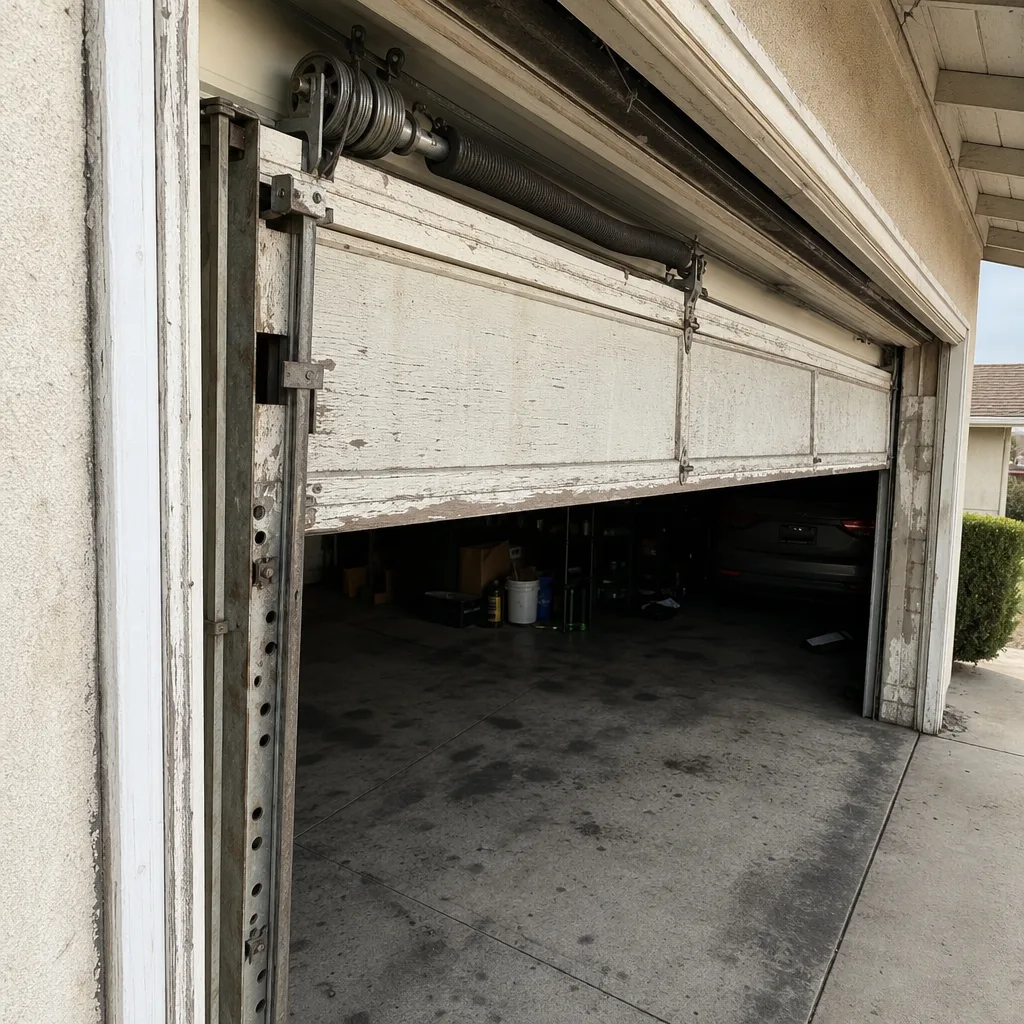 Before
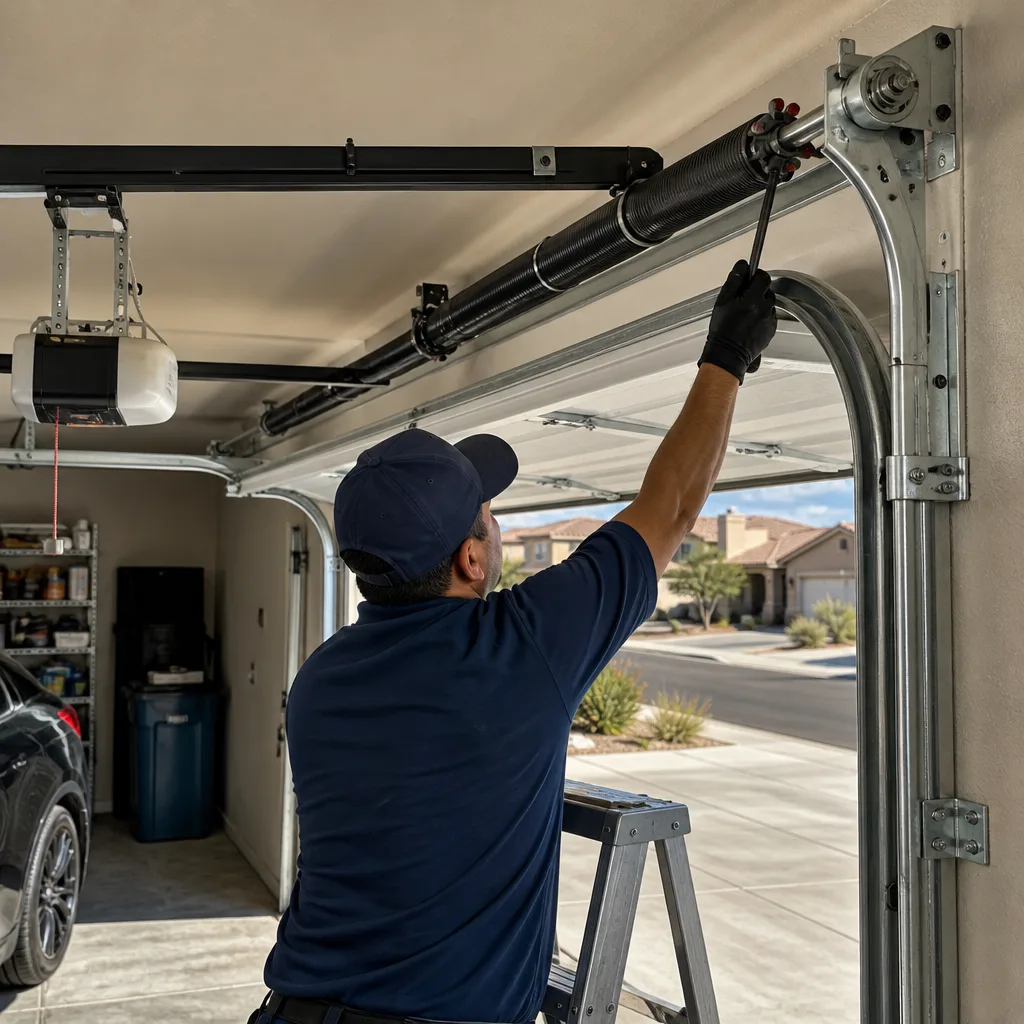 After
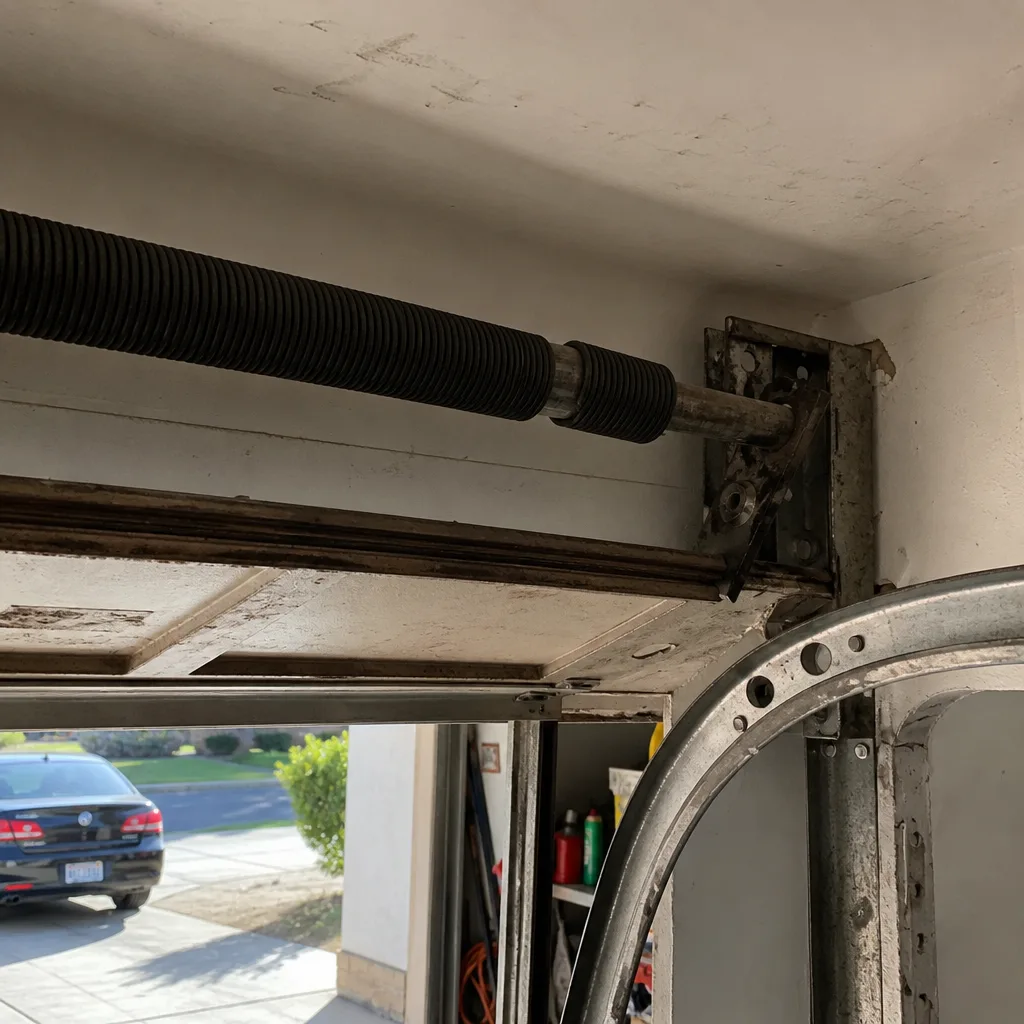 Before
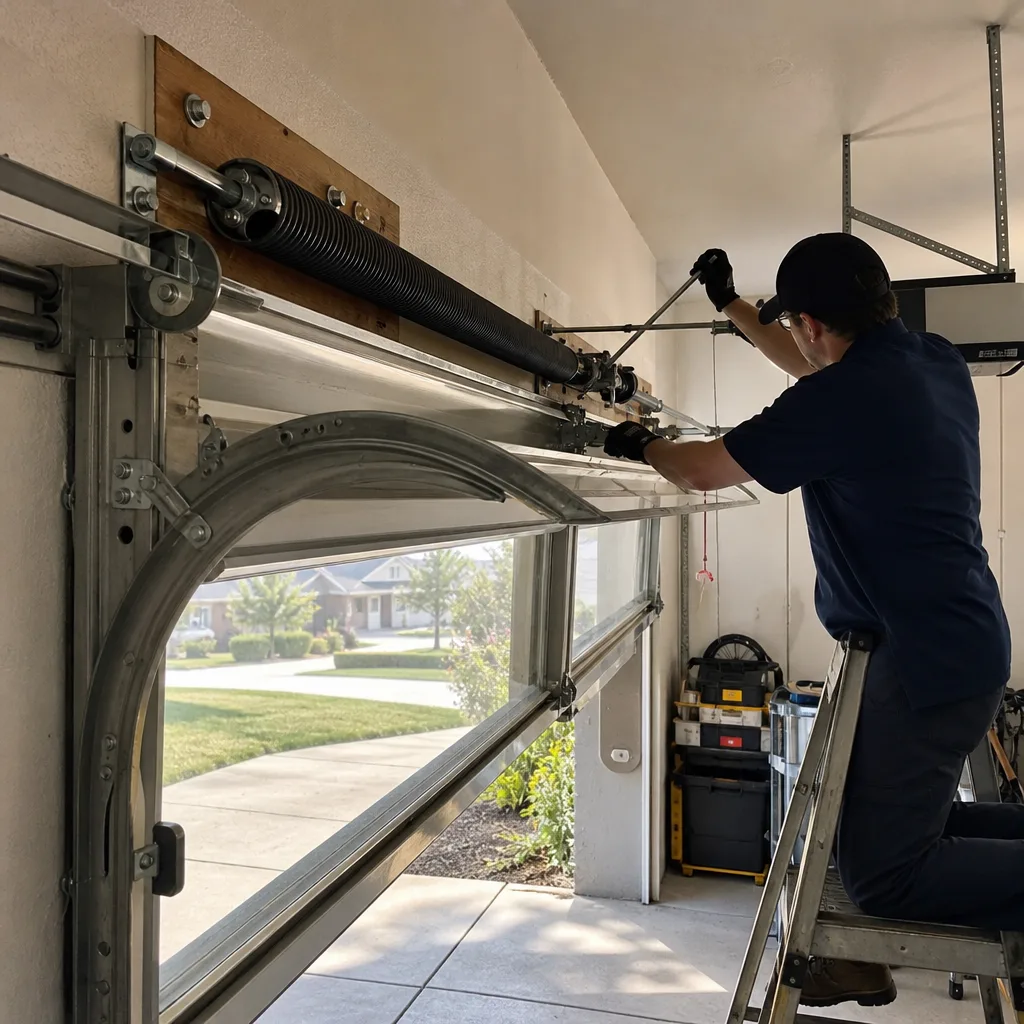 After
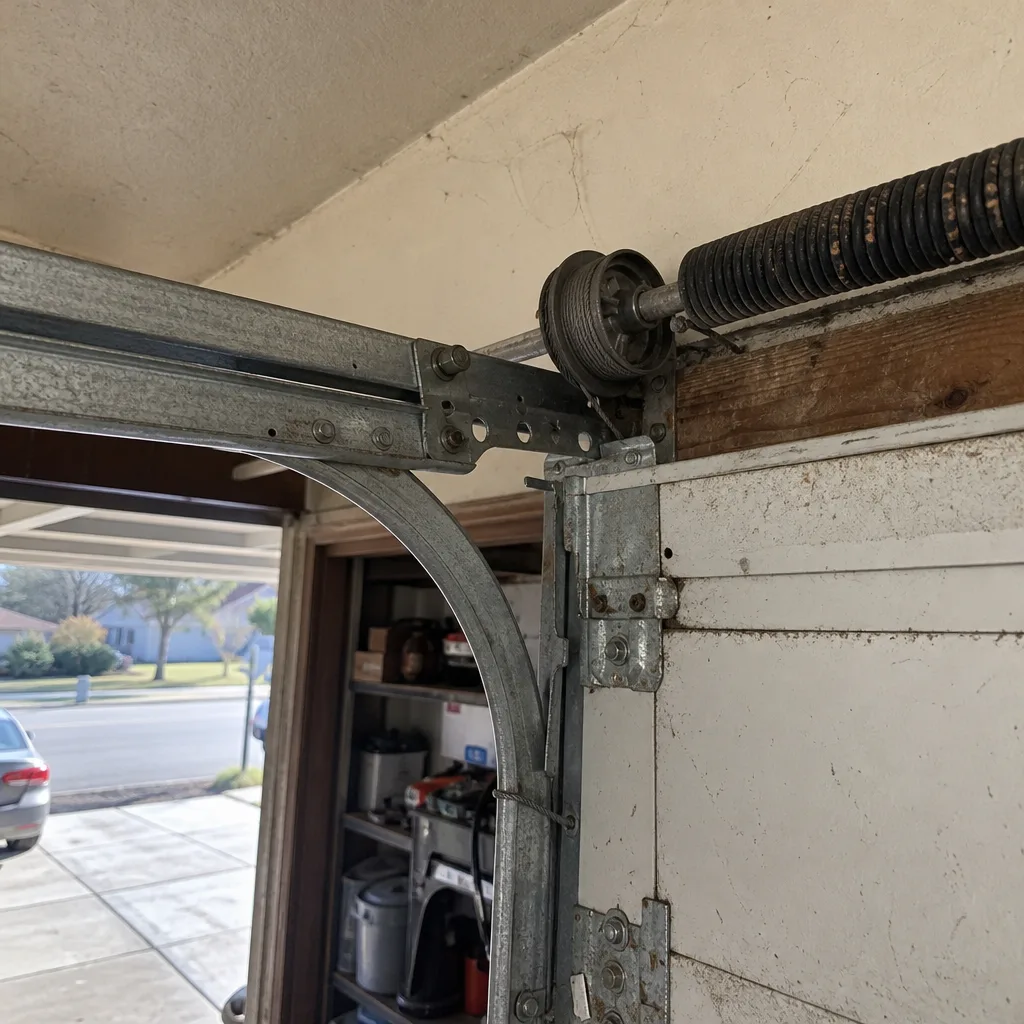 Before
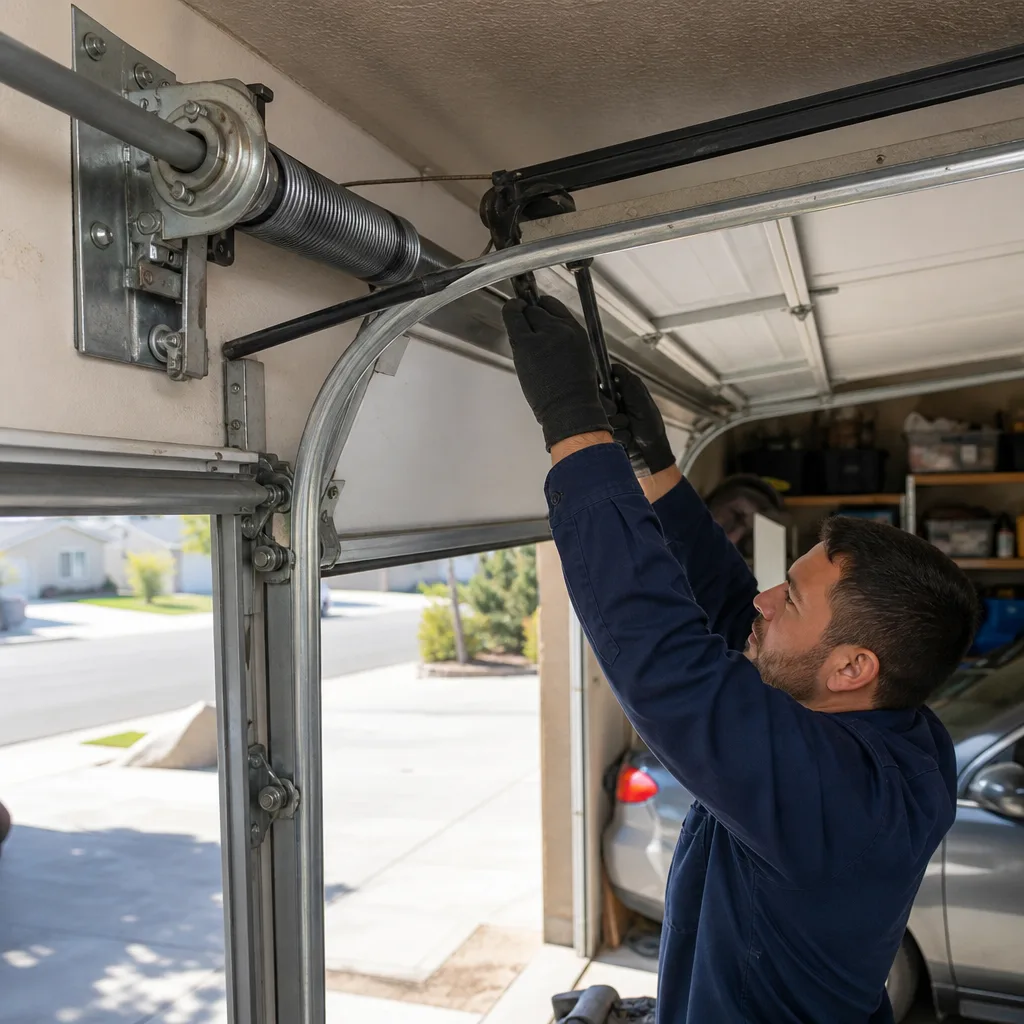 After